 Afrinkong
The Society of Ambianceurs and Elegant People — dressing as a discipline and an argument.
Local Life
A portrait · Central & West Africa
DR Congo
Virunga, Nyiragongo, and the okapi
An active lava lake you can camp beside on Nyiragongo, the only mountain gorillas outside Rwanda and Uganda, the okapi that lives nowhere else, and five World Heritage sites — a country of superlatives and of serious constraints on reaching them.
The outline of DR Congo. No photograph is inside it yet.
Why DR Congo
What does this country open with?
A lava lake, mountain gorillas, glaciers on the equator, and the okapi.
The shortest story on the site: a country's own opening line, and its reason to be visited at all.
Lava at Night — The Nyiragongo crater after dark, when the lake is the only light there is.
The Mbuti
Who lives here, and who is speaking?
Forest hunter-gatherers of the Ituri, with a relationship to that forest going back millennia.
Africa is not one people. Roughly two thousand languages, and the answer changes at every border and usually inside one, so this arc names particular communities or it says nothing.
Not for Families
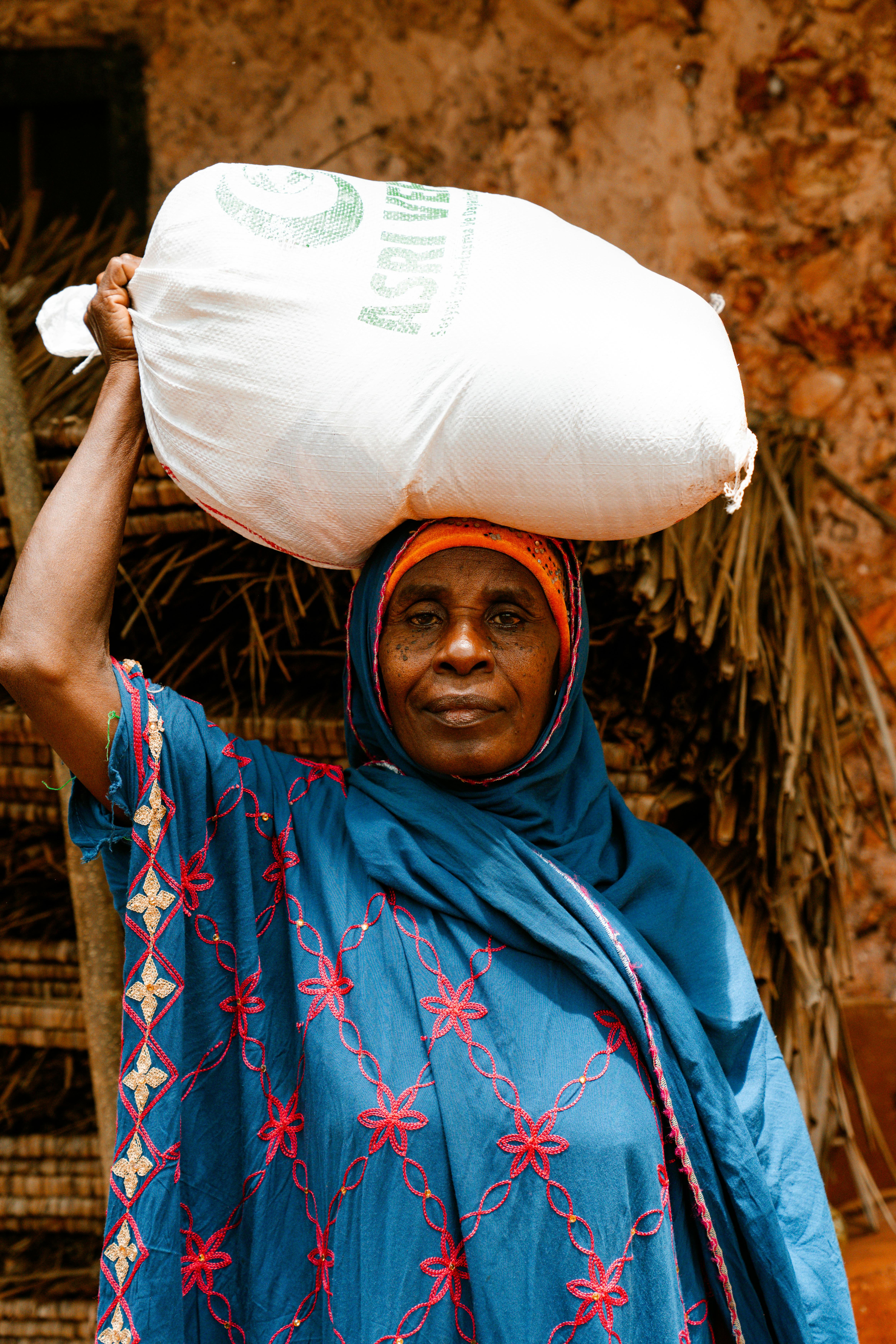
The east requires current advice and the distances are enormous. This is careful travel.
SAPE
The Society of Ambianceurs and Elegant People — dressing as a discipline and an argument.
Local voice
Nobody from DR Congo has been quoted on this page, so nobody is. This slot takes one sentence from one named person who agreed to it — a guide, a cook, a maker, a ranger — and until there is one it stays as it is rather than borrowing something plausible.
Fufu, Pondu and Liboke
What is eaten here?
Cassava fufu, pondu cassava leaf, and fish steamed in leaves over a fire.
Not a list of dishes. What is grown, what is sold in the market, what is cooked at home and what is only cooked for a festival.
- 1
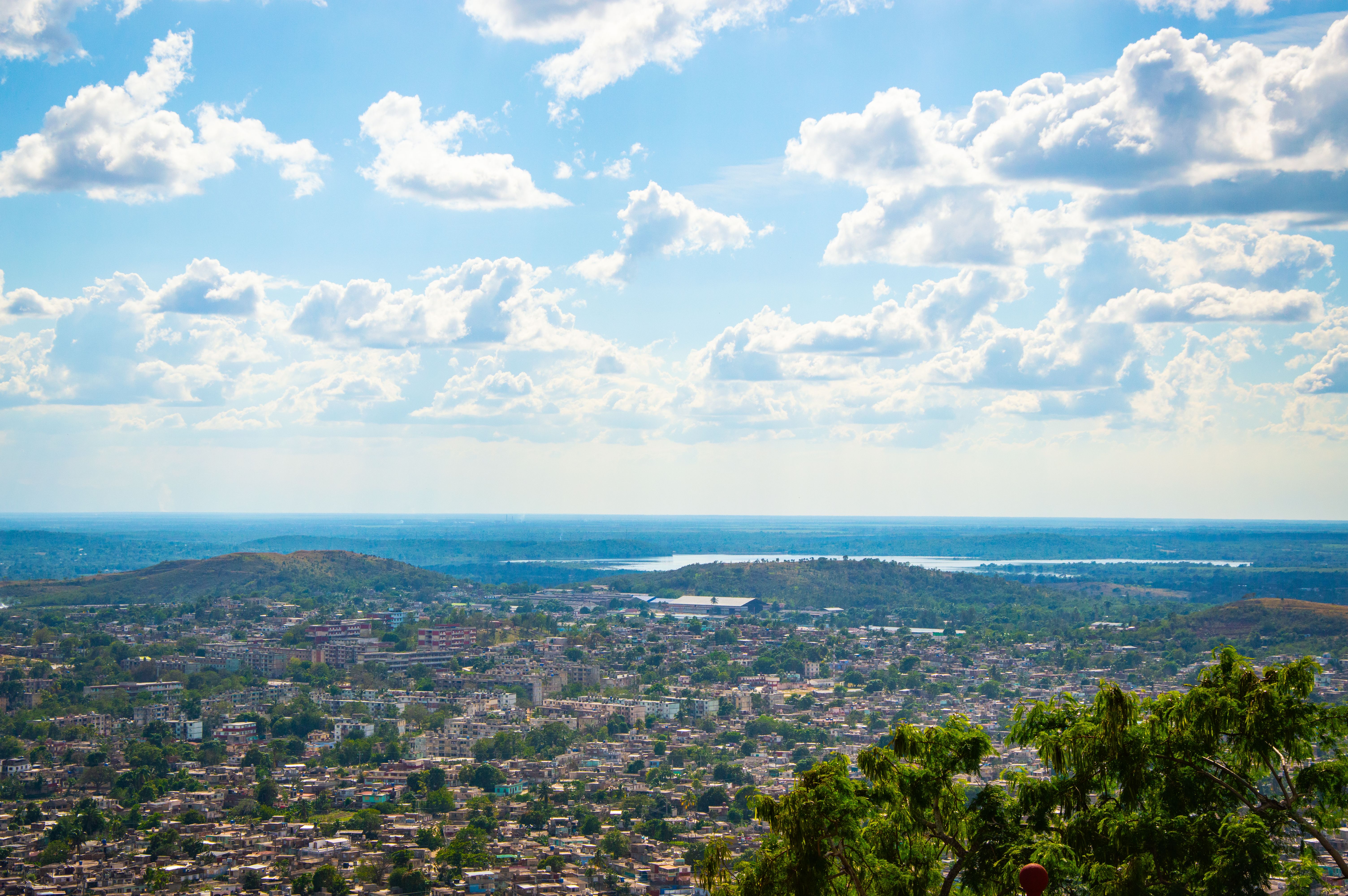
Photograph Vika Glitter SAPE
The Society of Ambianceurs and Elegant People — dressing as a discipline and an argument.
- 2

Photograph Yan Krukau Rumba and Ndombolo
Franco, Papa Wemba, Koffi Olomide — Kinshasa has exported dance music for seventy years.
Masks, Raffia and Copper
What is made here, and who makes it?
Kuba raffia cloth, Pende and Songye masks, and Katangese copper crosses.
Craft is a working economy before it is a souvenir. Where the dataset names a material, a technique or a town, this prints it; where it does not, this arc stops rather than filling in.
- 1

Photograph K Belgian Colonial and Cite
Art deco Kinshasa from the 1930s, and the cite quarters that grew around it.
Two Hundred and Fifty Peoples
What is kept, and who keeps it?
Four national languages, and a music that has set the terms for the whole continent.
Kingdoms that still hold court, festivals with a place and a season, practices that belong to particular communities rather than to a continent.

Rumba and Ndombolo
Franco, Papa Wemba, Koffi Olomide — Kinshasa has exported dance music for seventy years.
Five World Heritage Sites
What happened here, and what is left of it?
Virunga, Garamba, Kahuzi-Biega, Salonga and the Okapi Reserve — all five on the danger list.
Sites, ruins and buildings, taken as evidence rather than as scenery. Where a date belongs to a claim the country file carries it; nothing here supplies one that it does not.
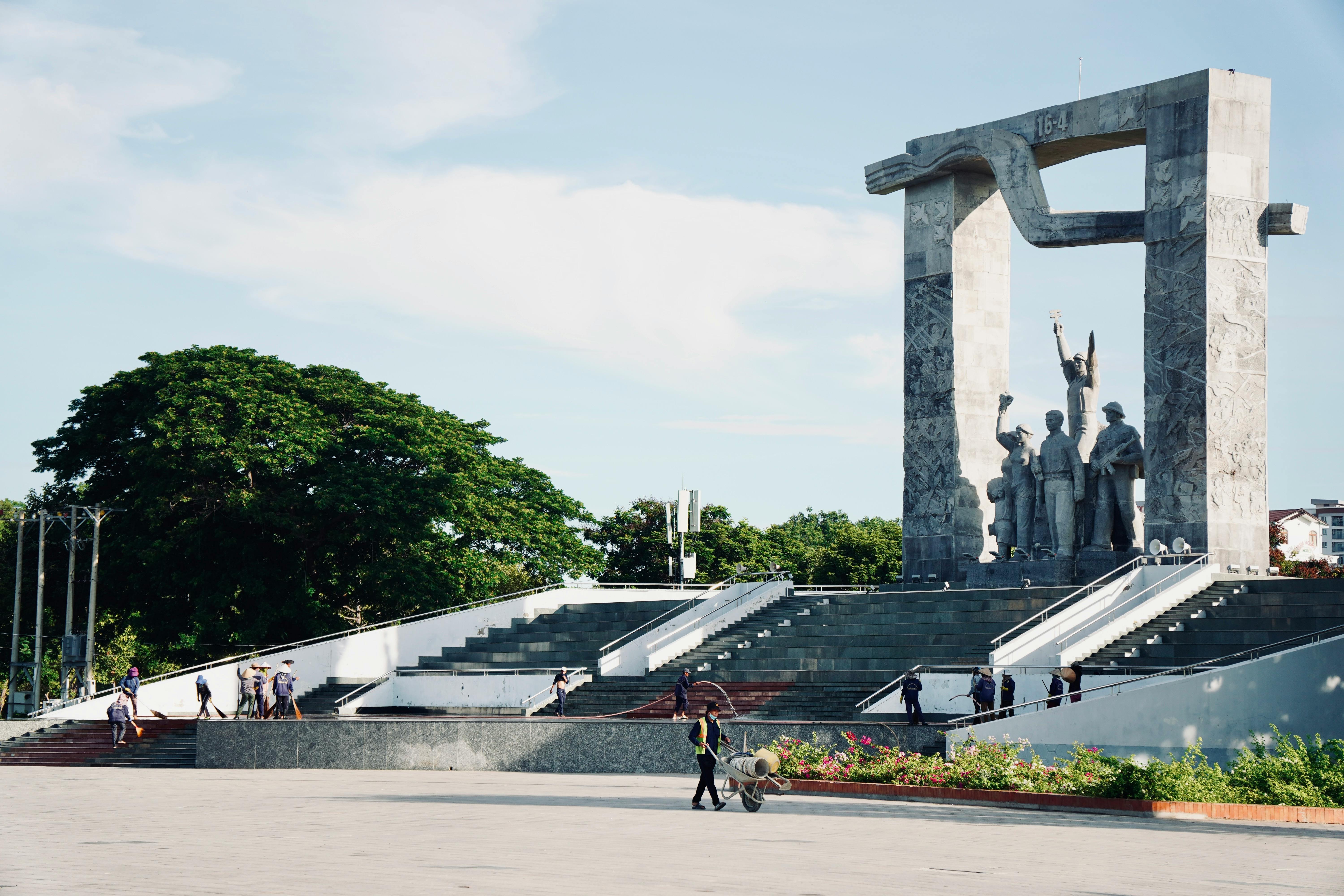
- Kisangani and the River StationsHistoric Sites
Stanley's route up the river, and the Wagenia fishing structures that predate all of it.
- Belgian Colonial and CiteArchitecture
Art deco Kinshasa from the 1930s, and the cite quarters that grew around it.
Undated on purpose. Where a date belongs to one of these claims it is in the country file; this page does not supply one that is not.
Kinshasa and Lubumbashi
What is it like to live here this decade?
One of the largest cities in Africa, facing Brazzaville, and the mining capital in the south.
The part of a country that a safari catalogue leaves out: the cities, what is being built in them, what is open at night and what people do for a living.
Art deco Kinshasa from the 1930s, and the cite quarters that grew around it.
ArchitectureMikeno and Tchegera, run by the park itself, and the money goes back into it.
Luxury TravelAfrica is not a museum. Nothing above is a ruin, a costume or an animal — it is where people in DR Congo live, build and work.
Mountain Gorillas and Okapi
What lives here, and who is protecting it?
Virunga's gorillas in the east, and the okapi in the Ituri forest, which lives nowhere else.
The animals are the easy half. The harder half is which habitat, whose land, and what a visitor's money actually does when it arrives.
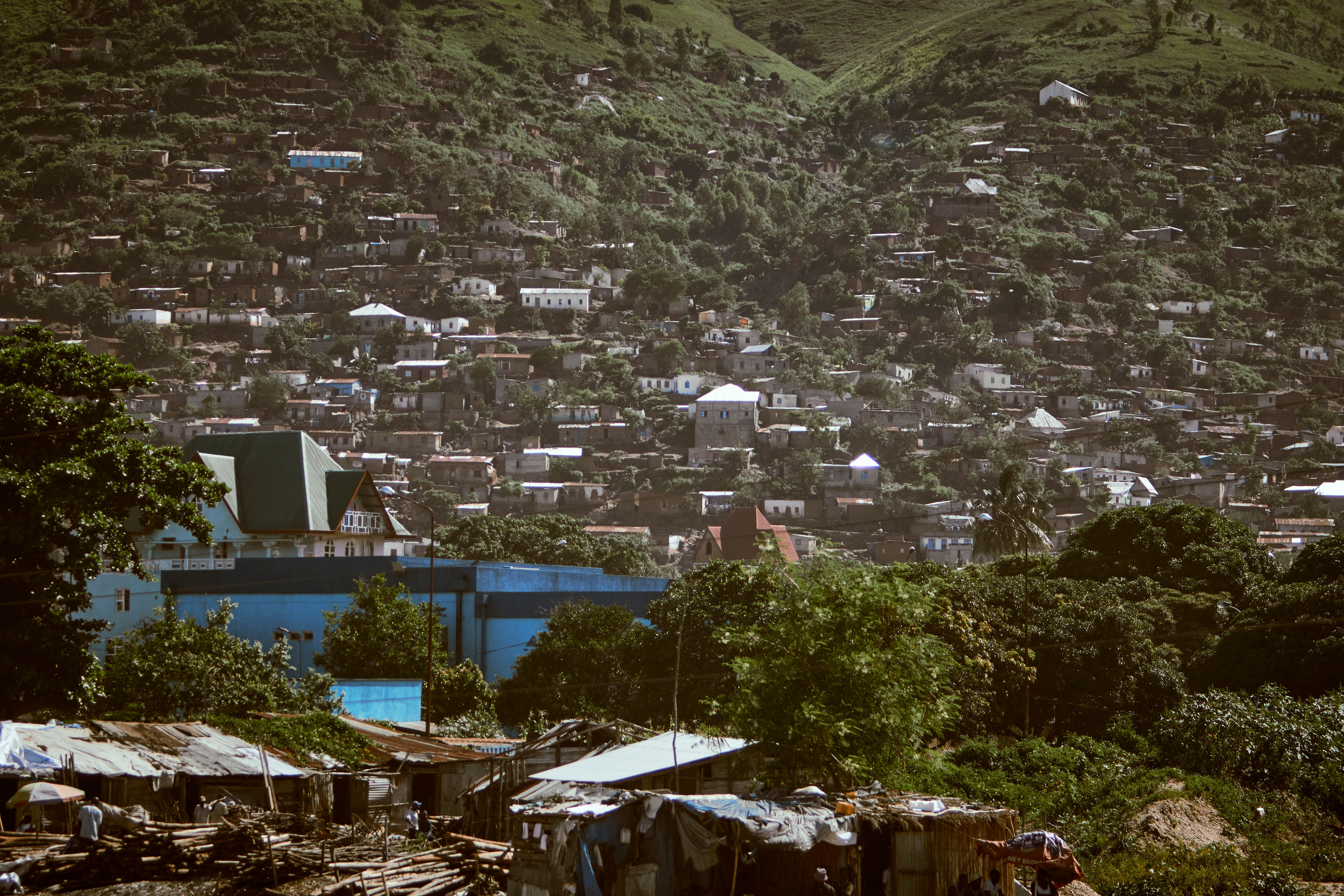
Garamba and Upemba
Northern savanna with elephant and Kordofan giraffe, being brought back after decades of loss.
The Ituri and the Salonga
Salonga is the largest tropical rainforest reserve in Africa, and mostly unentered.
Virunga's Rangers
Over two hundred rangers have died protecting this park. It is the oldest in Africa.
The animals are the easy half. Which habitat, whose land, and what a visitor’s money does when it arrives is the rest of it, and DR Congo answers it in its own words above.
The Albertine Rift
What is the shape of this country?
Glaciers on the Rwenzori, volcanoes in the Virungas, and the deepest forest in Africa between them.
A photo essay in landform order — high ground first, then what runs off it, then where it meets the sea.
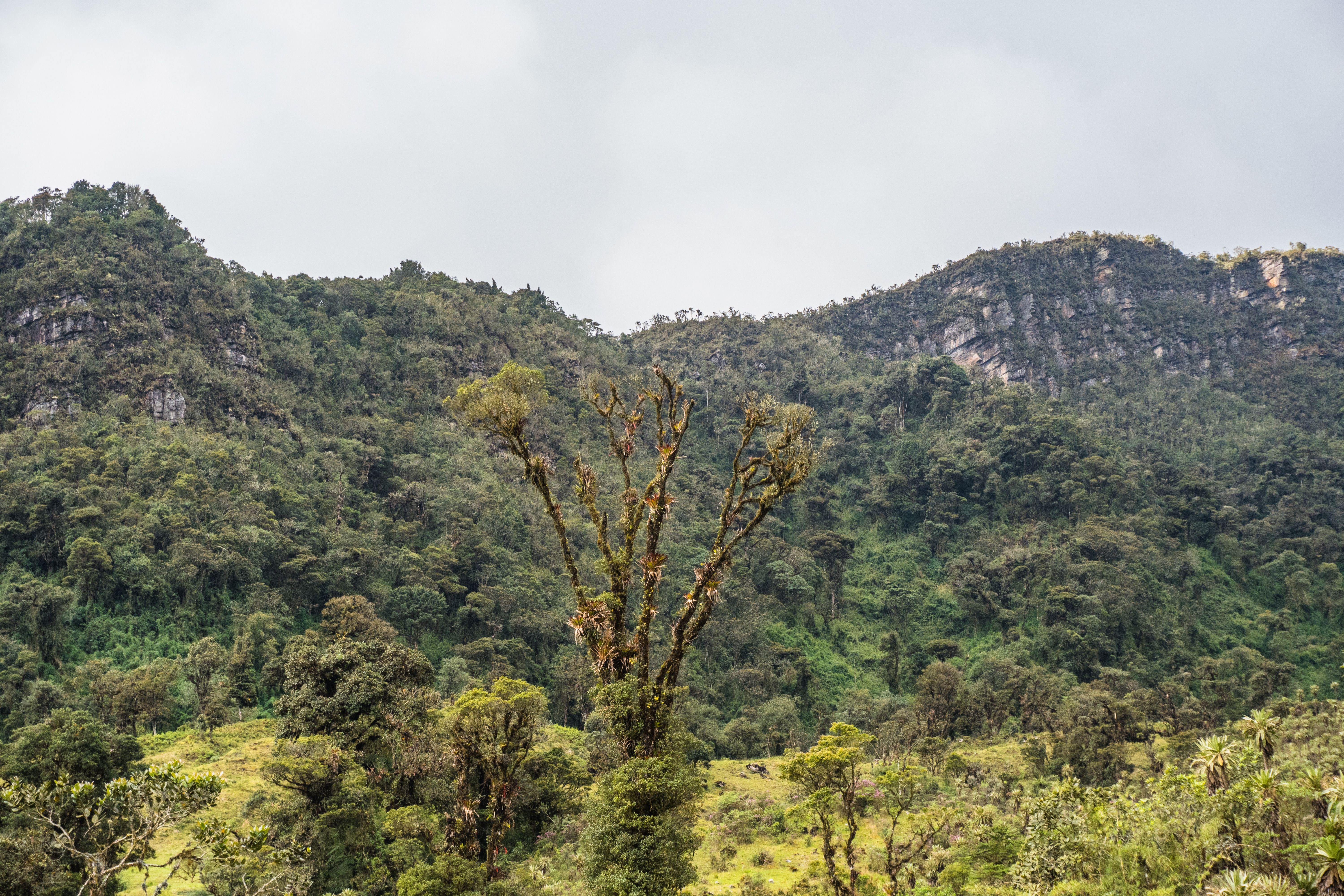
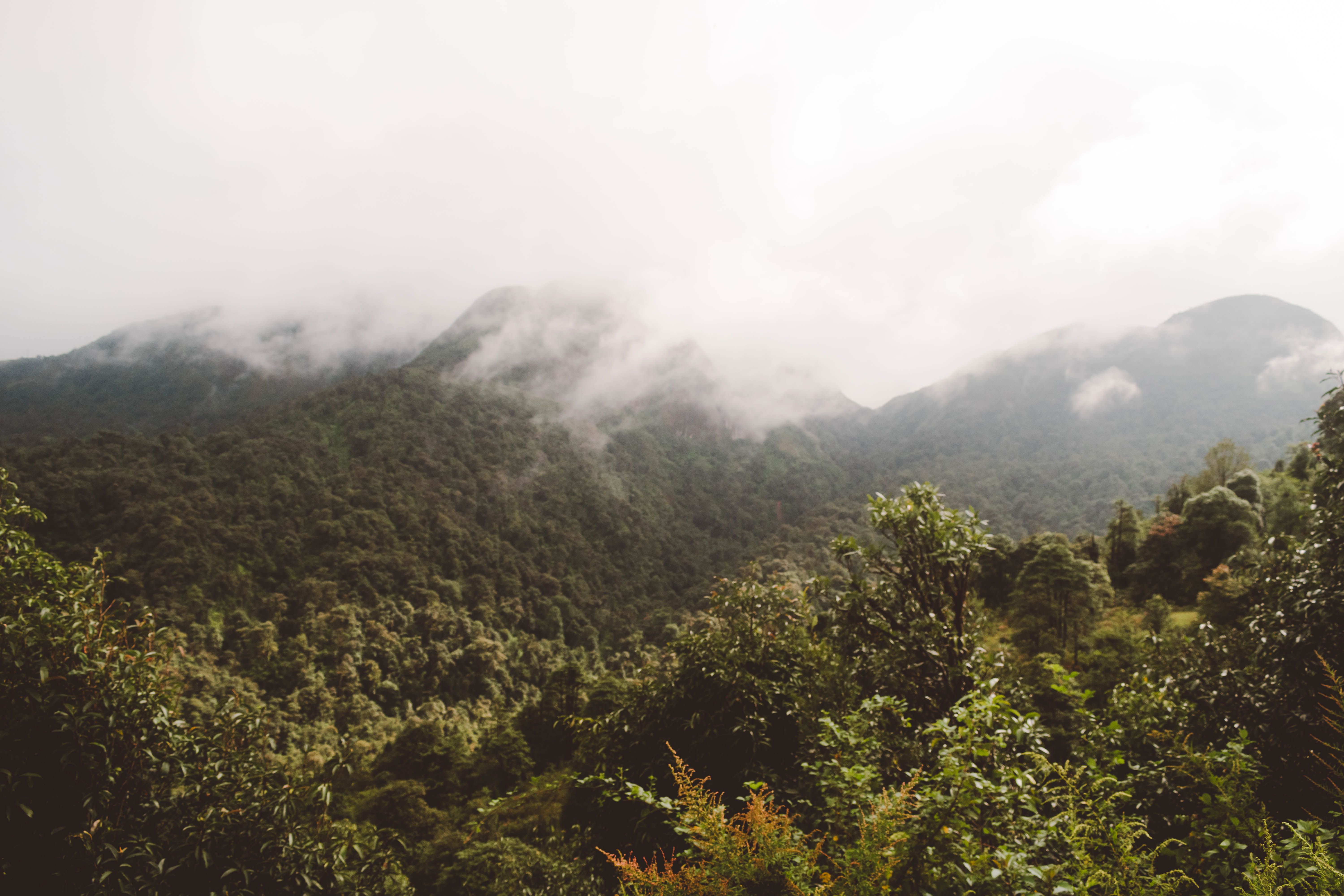

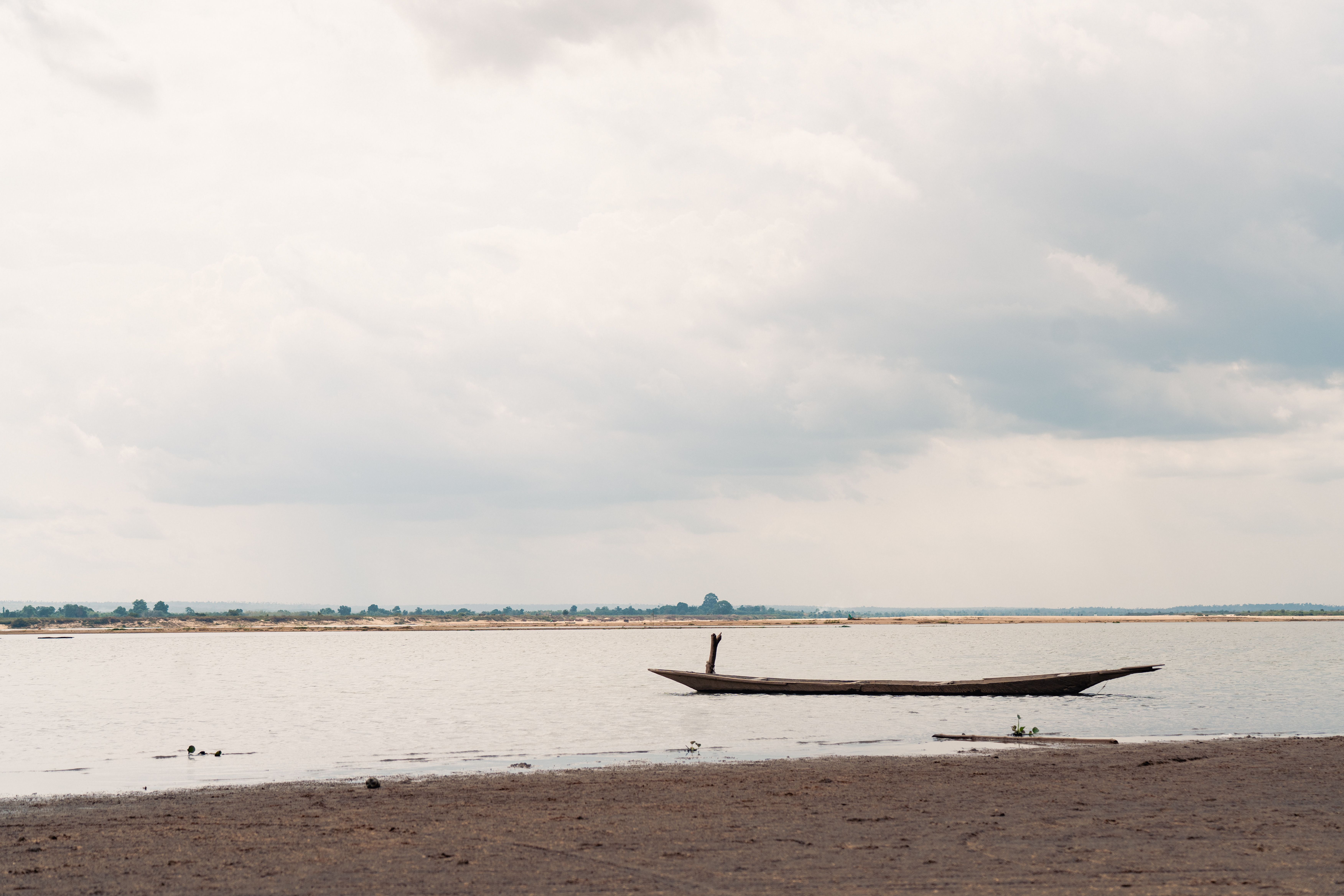
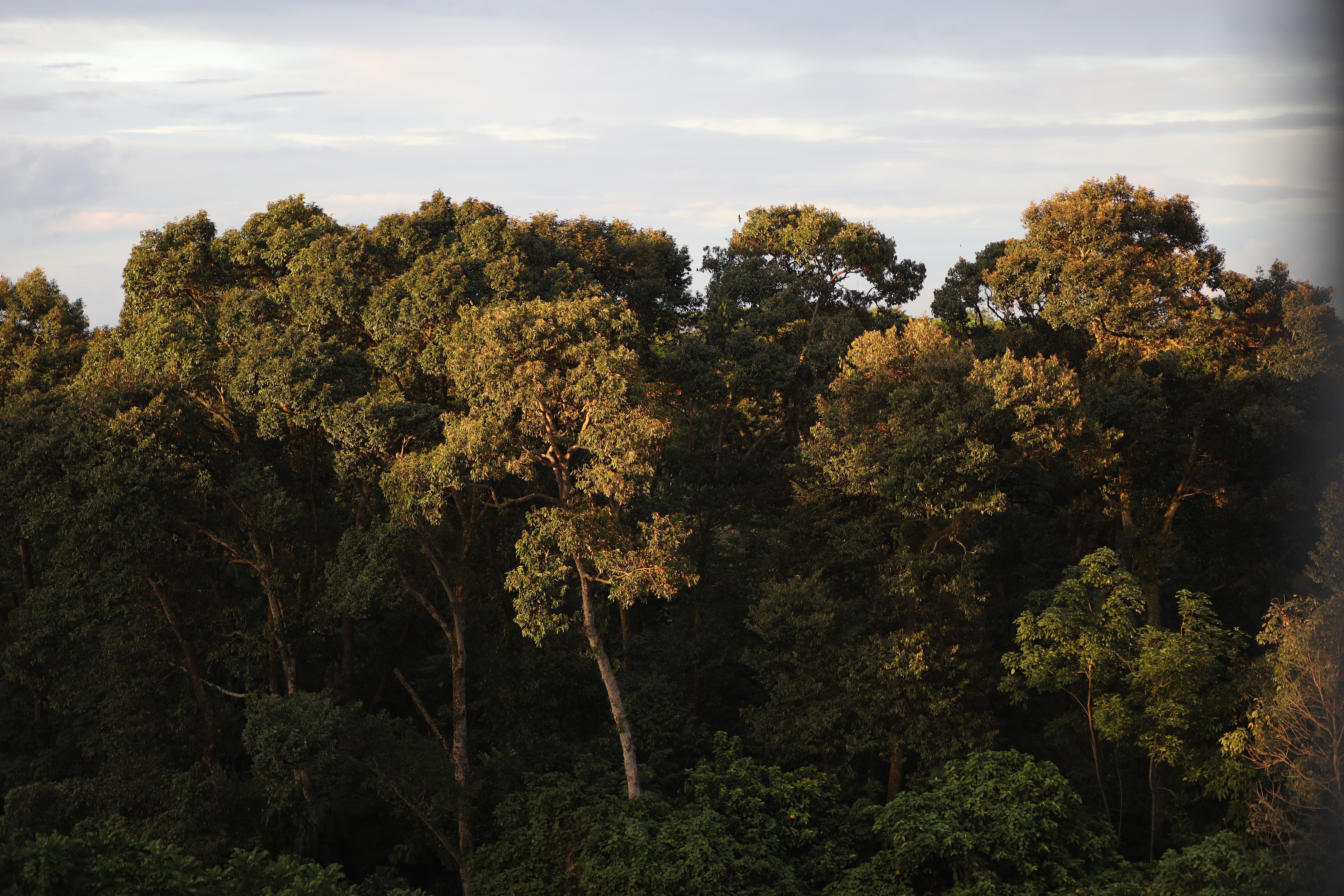
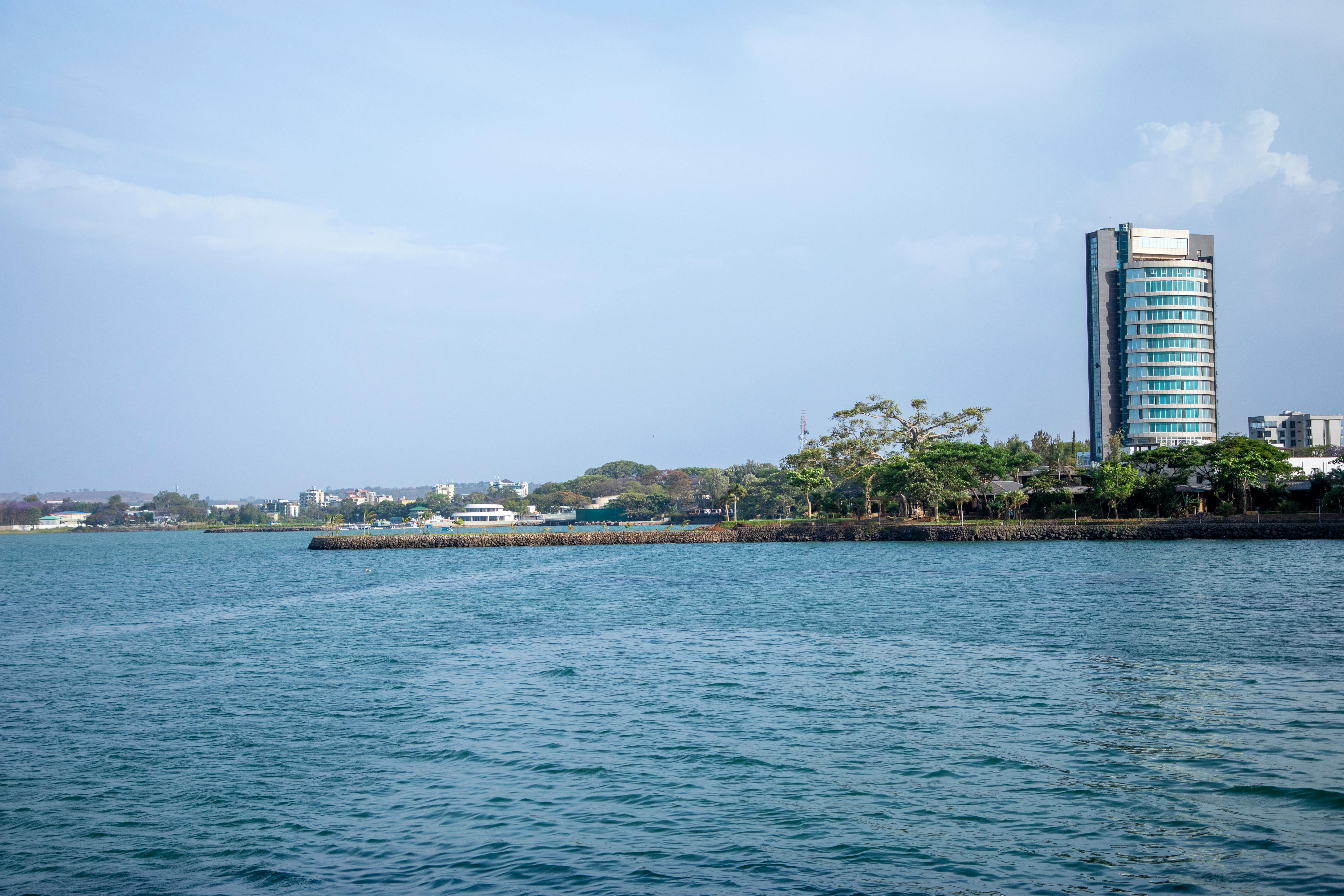
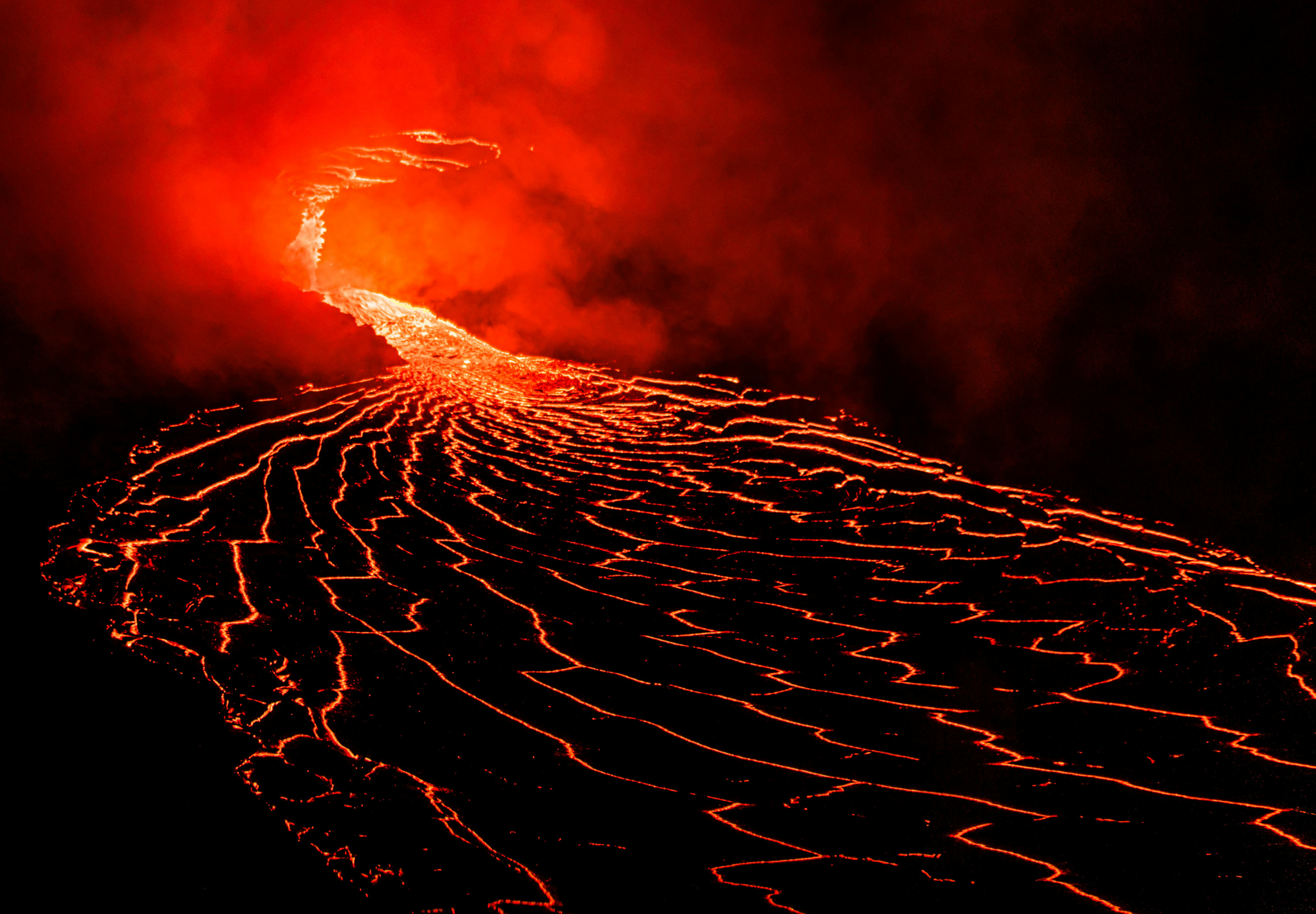
7 frames. Every one of them a different part of DR Congo, and each caption written for that one.
Lake Kivu
What would you not have found on your own?
Volcanic islands, terraced hills and calm water, between Goma and Bukavu.
The two write-ups a country files under what most itineraries miss, and what you would have to walk to.
Nyiragongo Overnight — Six hours up, a night in a hut on the rim, and the lava lake below you all of it.
Volcano and Gorilla — Nyiragongo, then gorillas in Virunga's lowlands, from the same base at Goma.
What is on the other side
Where does DR Congo actually stop?
Read off the boundary data rather than written: countries whose polygons share a vertex with this one share a land border with it. Distances are between country centres, in a straight line — not a drive, and not a flight.
- Ugandashares a land border1300 km in a straight line
Leads on wildlife, culture, adventure.
- Tanzaniashares a land border1429 km in a straight line
Leads on wildlife, nature, coast, adventure, cities.
- Central African Republicshares a land border1188 km in a straight line
Leads on wildlife, nature, culture.
- South Sudanshares a land border1569 km in a straight line
Leads on wildlife, culture, nature.
- Congoshares a land border783 km in a straight line
Leads on wildlife, nature.
- Rwandashares a land border933 km in a straight line
Leads on cities, wildlife, culture.
Four questions, not four dates
A timeline would need dates, and the write-ups behind this page do not carry them. So this is the same country asked four things instead, in the order they tend to answer them.
What happened here
Five World Heritage SitesVirunga, Garamba, Kahuzi-Biega, Salonga and the Okapi Reserve — all five on the danger list.Kisangani and the River StationsStanley's route up the river, and the Wagenia fishing structures that predate all of it.What is kept
Two Hundred and Fifty PeoplesFour national languages, and a music that has set the terms for the whole continent.Rumba and NdomboloFranco, Papa Wemba, Koffi Olomide — Kinshasa has exported dance music for seventy years.The MbutiForest hunter-gatherers of the Ituri, with a relationship to that forest going back millennia.The months this country is good in
These are the months DR Congo is written up as good in — a coarser and more honest thing than a forecast, and not one. We do not predict the weather; we say when this country is at its best.
- Jangood
- Febgood
- Mar—
- Apr—
- May—
- Jungood
- Julgood
- Auggood
- Sep—
- Oct—
- Nov—
- Decgood
The dry seasons. Take current advice extremely seriously; the east is not uniformly accessible.
How to be here
The one thing on this page that is a position rather than a fact. It is not any country’s rule and no community here was asked to write it — it is what Afrinkong asks of the people it sends, and the reasons are the part worth carrying.
With a camera
Ask before you photograph a person A face is not scenery, and 'they did not seem to mind' is not the same as being asked — if you would not want the picture taken of you at work, do not take it.
If a photograph is worth money, pay it Somebody who poses for a living is working; somebody who does not should not be turned into a subject because a lens arrived.
Some places are not for cameras Shrines, funerals, initiations and some interiors are closed to photography by the people who use them, and a guide will tell you which if you ask before rather than after.
Children are not content Ask the adult responsible for them, the way you would at home, and accept no as an answer the first time.
With people
Go with somebody from here The three operators on this site are companies registered in the countries they work in, and everywhere else the drivers, hosts and coordinators are hired where the journey runs — which is the difference between money that lands and money that passes through. Asking who is running a day is a fair question to put to whoever sells it to you, here or anywhere.
Learn the greeting Two words in the language of the place you are standing in changes the whole shape of a conversation, and getting it slightly wrong is not the insult you are afraid of.
Ask what a thing is A festival, a garment or a building usually means something specific to a specific community, and the interesting answer is never the one you brought with you.
With the place
Keep the distance you are given The distances on a gorilla trek or at a nest are set by the animals' tolerance and, in the case of primates, by what they can catch from you.
Do not feed anything An animal that associates people with food stops being wild and starts being a problem to be dealt with, usually permanently.
Carry out what you carried in Most of the places on this site sit outside any collection route, which means what you leave stays exactly where you left it.
With money
Buy from the maker The craft write-ups on this site name workshops and markets; a piece bought where it was made pays the person who made it rather than three people who did not.
Haggle to a fair price, not to a win The last few units of currency are worth more to the seller than to you, and a bargain that felt like a victory usually was not one.
Who is telling you this
- The writing
- Afrinkong editorial. Every headline and paragraph on this page is written once, in the same country file the rest of the site is built from, and printed here unchanged. There is no second copy that could drift from it.
- What it is not
- Not sourced reporting. These are summaries written for a travel site, not claims with citations behind them, and they should be read as the former. Where a fact matters to your plans, check it against the country.
- The photographs
- 24 of the 26 slots on this page have a photograph. Every photograph carries its photographer’s name. Nothing here is an AI image dressed as a photograph; where there is no picture, the shape of DR Congo is drawn instead and says so.
- The geography
- Borders and distances come from Natural Earth boundary data, not from the prose. Distances are straight lines between country centres. This site holds no road, no timetable and no travel time, and prints none.
- The company
- The ground journey in DR Congo is run by Afrinkong. Nothing on this page is written by an operator either way.
- The reading
- 10 chapters, cut from the 26 write-ups this country has. The cut is editorial; the words are not.