 Afrinkong
The Nile and the Desert
A green ribbon a few kilometres wide, and sand for a thousand kilometres either side of it.
Photo AXP Photography / Pexels

The oldest continuous tourism in the world, and still the reason most people first think of Africa — the Giza plateau, the Valley of the Kings, Abu Simbel, and the Red Sea reefs on the other coast.
Where the country actually takes you.
A green ribbon a few kilometres wide, and sand for a thousand kilometres either side of it.
Photo AXP Photography / Pexels

Mount Sinai and Saint Catherine's, and granite peaks over two thousand metres above the Red Sea.
Photo Ali Abdelshafy / Pexels
 Waterfalls
The Nile's cataracts at Aswan — rapids rather than falls, and the reason the boats stopped here.
Photo Diego F. Parra / Pexels

Feluccas under sail at Aswan, and a river that has been the country's main road for millennia.
Photo Zihang Feng / Pexels

Some of the clearest reef diving on earth, an hour's flight from the pyramids.
Photo Vika Glitter / Pexels

Not forest — the Fayoum's palm and olive, and the acacia of Wadi el-Rayan.
Photo zaid mohammed / Pexels
What lives here, and how you see it without disturbing it.

Two million migrating birds use the Delta and the Red Sea coast as a flyway each year.
Photo Tito Zzzz / Pexels

Not big game — desert fox, gazelle and the silence of the Great Sand Sea.
Photo George Wang / Pexels
 Eco Tourism
Reef protection on the Red Sea, and oasis agriculture that has managed water for millennia.
Photo Vika Glitter / Pexels
The part of a country you cannot photograph from a vehicle.

Three layers still in daily use, sometimes in the same street in old Cairo.

Nubian villages above Aswan and Bedouin communities in the Sinai and the Western Desert.
Photo David Paul / Pexels

Breakfast is ful and bread; lunch is koshary; both are older than most cuisines.
Photo Tito Zzzz / Pexels

The moulid processions, and Cairo at iftar when the whole city eats at once.
Photo Alsyed Alsadny / Pexels

Hand-blown glass in Cairo, Egyptian cotton, and papyrus made the way it always was.
Photo Eslam Magdy / Pexels

Sixty-odd tombs cut into a single dry valley, most of them painted floor to ceiling.
Photo AXP Photography / Pexels

Karnak took two thousand years to build; Abu Simbel was moved sixty metres to save it.
Photo AXP Photography / Pexels
Where people actually live between the landmarks.

Twenty million people on the Nile, and a Mediterranean city that remembers being Greek.

The mosques, sabils and madrasas of the medieval city, largely still standing.
Photo Mohamed Hamed / Pexels

Families out along the river, tea on the pavement, and the traffic finally slowing.
Photo Faiz Majid / Pexels
 Family & Community
Short internal flights, boats instead of buses, and a story at every stop.
Photo AXP Photography / Pexels
For travellers who would rather walk it than watch it.

Diving the Red Sea, walking the Sinai with Bedouin guides, and crossing the sand sea by vehicle.
Photo Bunyamin Cicek / Pexels

Reef diving at Marsa Alam, feluccas at Aswan, and camels in the Western Desert.
Photo Vika Glitter / Pexels

Small sailing dahabiyas instead of the big cruisers, and camps in the White Desert.
Photo Maël BALLAND / Pexels
The frames people come home with.

Desert light at either end of the day is the whole reason to be up early here.
Photo AXP Photography / Pexels
 Hidden Gems
Eight hundred kilometres west, a Berber-speaking oasis with its own language and salt lakes.
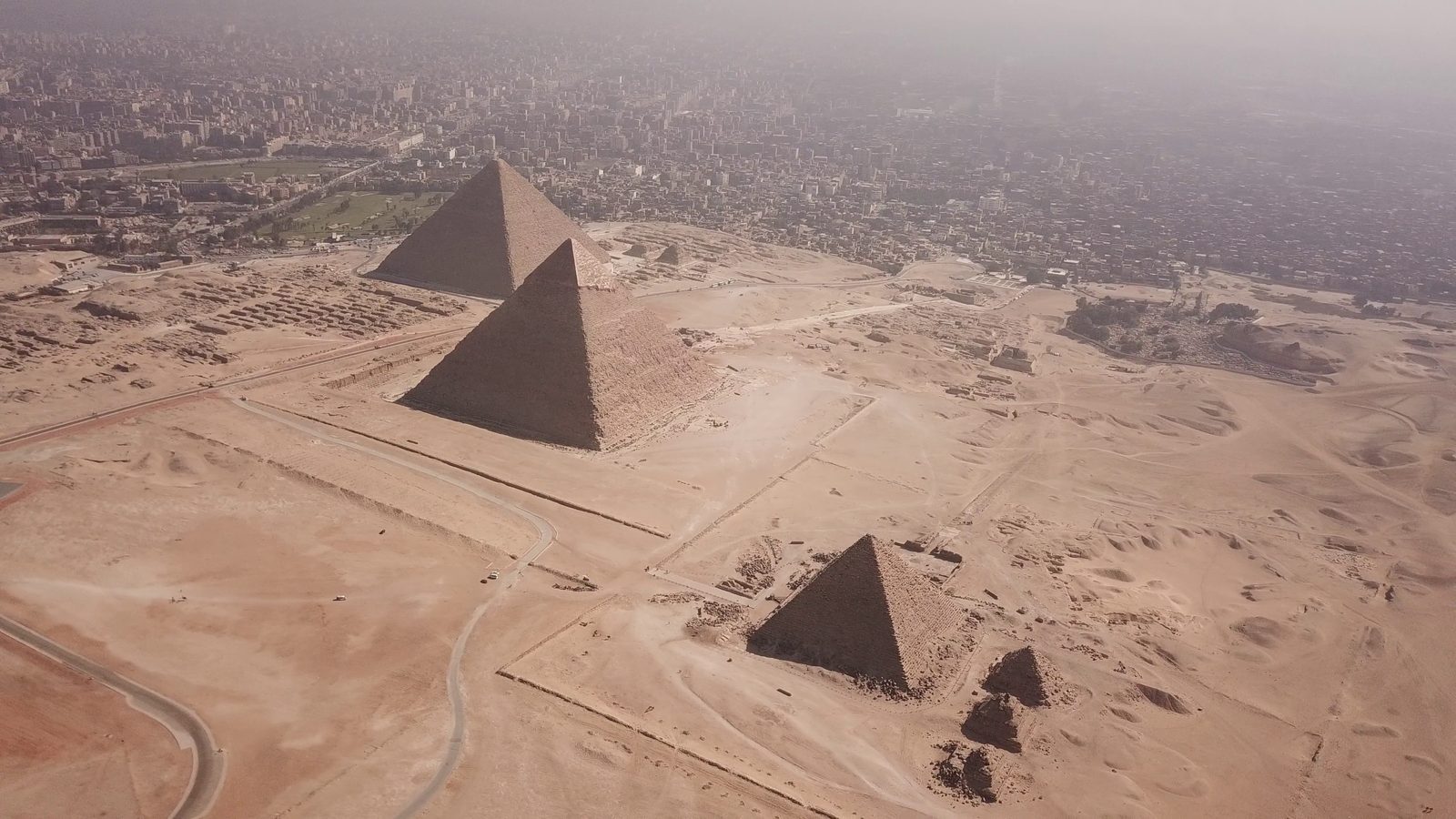
People have been travelling to see this country for two and a half thousand years.
People have been travelling to see this country for two and a half thousand years.
Build a journey