 Afrinkong
The motorcycle taxis are the transport system, and their yellow shirts are the uniform.
Local Life
A portrait · West Africa
Benin
Where vodun comes from, and the palaces of Dahomey
Ouidah is the source of vodun and a departure point of the Atlantic slave trade, Abomey holds the earthen palaces of the kings of Dahomey, and Ganvie is a town of thirty thousand people on stilts in a lagoon.
The outline of Benin. No photograph is inside it yet.
Why Benin
What does this country open with?
Vodun at its source, the palaces of Dahomey, and West Africa's best-run national park.
The shortest story on the site: a country's own opening line, and its reason to be visited at all.
Stilts and Reflection — Ganvie at first light, when the water is still and the houses double.
Fon, Yoruba, Bariba, Somba
Who lives here, and who is speaking?
The Fon of Dahomey in the south, the Somba in the Atakora with their fortified houses.
Africa is not one people. Roughly two thousand languages, and the answer changes at every border and usually inside one, so this arc names particular communities or it says nothing.

Ganvie by Pirogue
A whole town on water, reached by boat, which no child has ever found boring.
Zemidjan
The motorcycle taxis are the transport system, and their yellow shirts are the uniform.
Local voice
Nobody from Benin has been quoted on this page, so nobody is. This slot takes one sentence from one named person who agreed to it — a guide, a cook, a maker, a ranger — and until there is one it stays as it is rather than borrowing something plausible.
Amiwo and Grilled Fish
What is eaten here?
Amiwo — maize with tomato and chicken — and fish straight off the Grand-Popo beach.
Not a list of dishes. What is grown, what is sold in the market, what is cooked at home and what is only cooked for a festival.
- 1
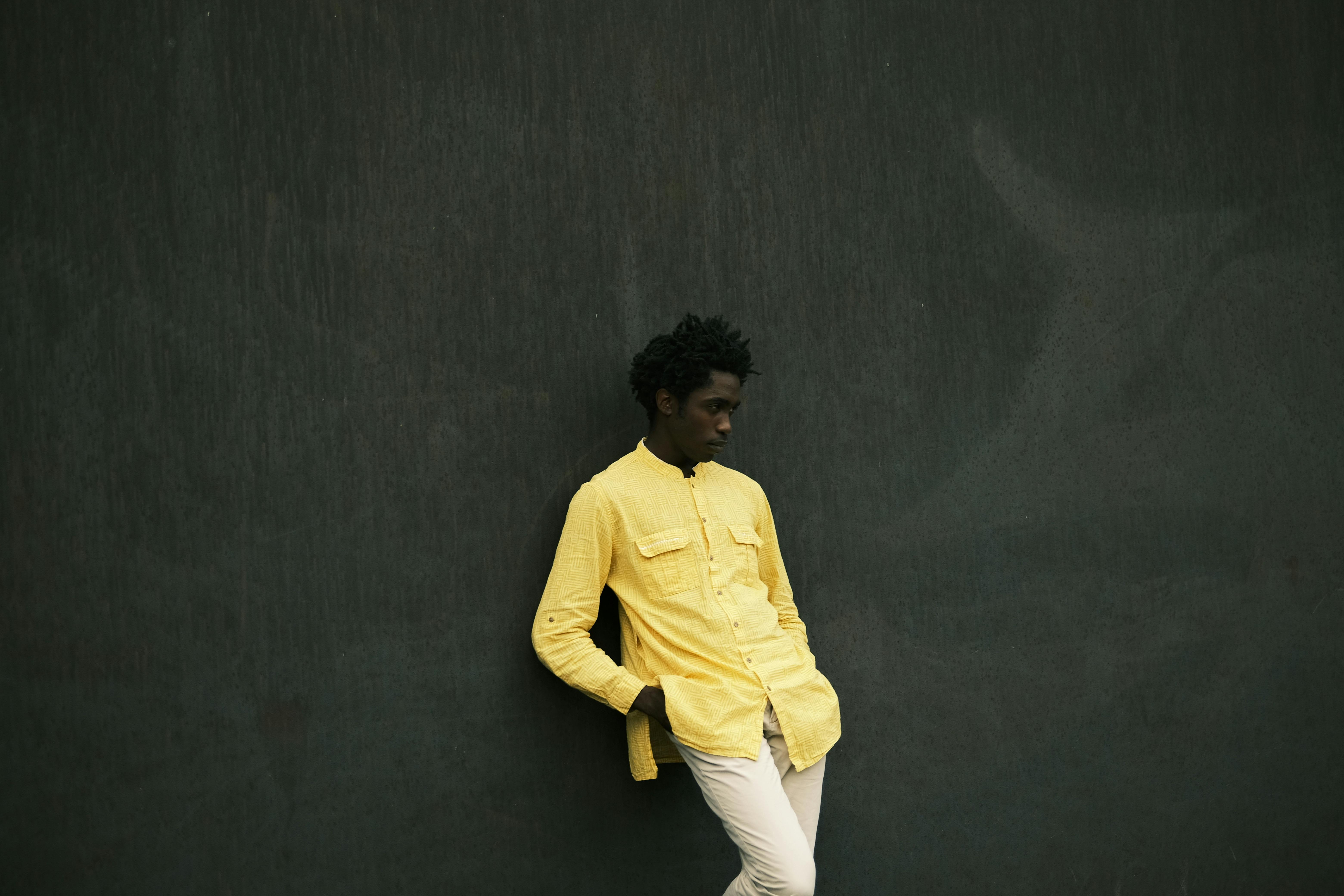
Photograph Lam N Zemidjan
The motorcycle taxis are the transport system, and their yellow shirts are the uniform.
- 2
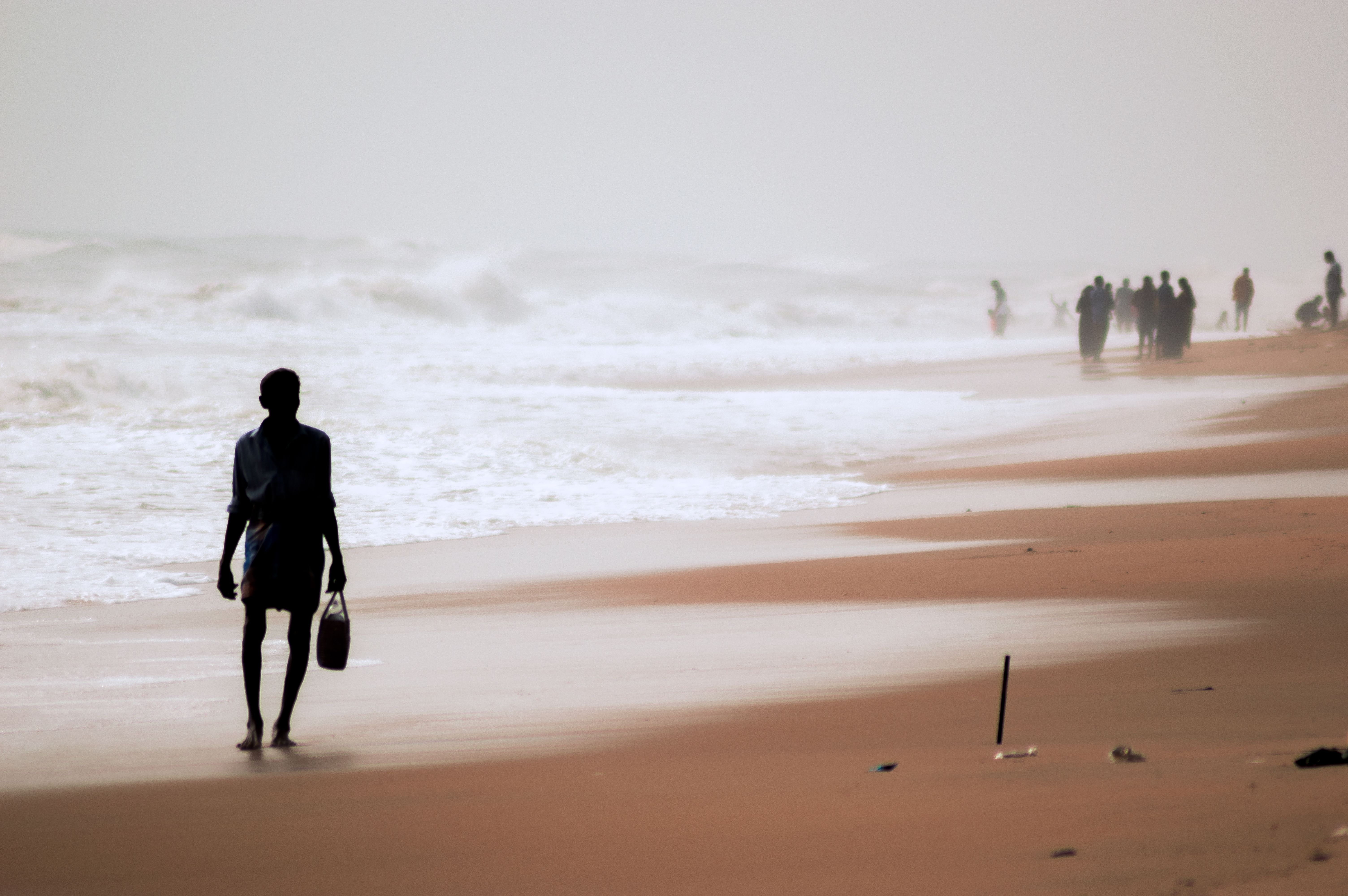
Photograph Ankit Bhattacharjee The Vodun Festival
10 January at Ouidah, on the beach, and it is a religious event before it is a spectacle.
Applique and Bronze
What is made here, and who makes it?
The Abomey applique banners that recorded the kings' reigns, and Fon bronze casting.
Craft is a working economy before it is a souvenir. Where the dataset names a material, a technique or a town, this prints it; where it does not, this arc stops rather than filling in.
- 1
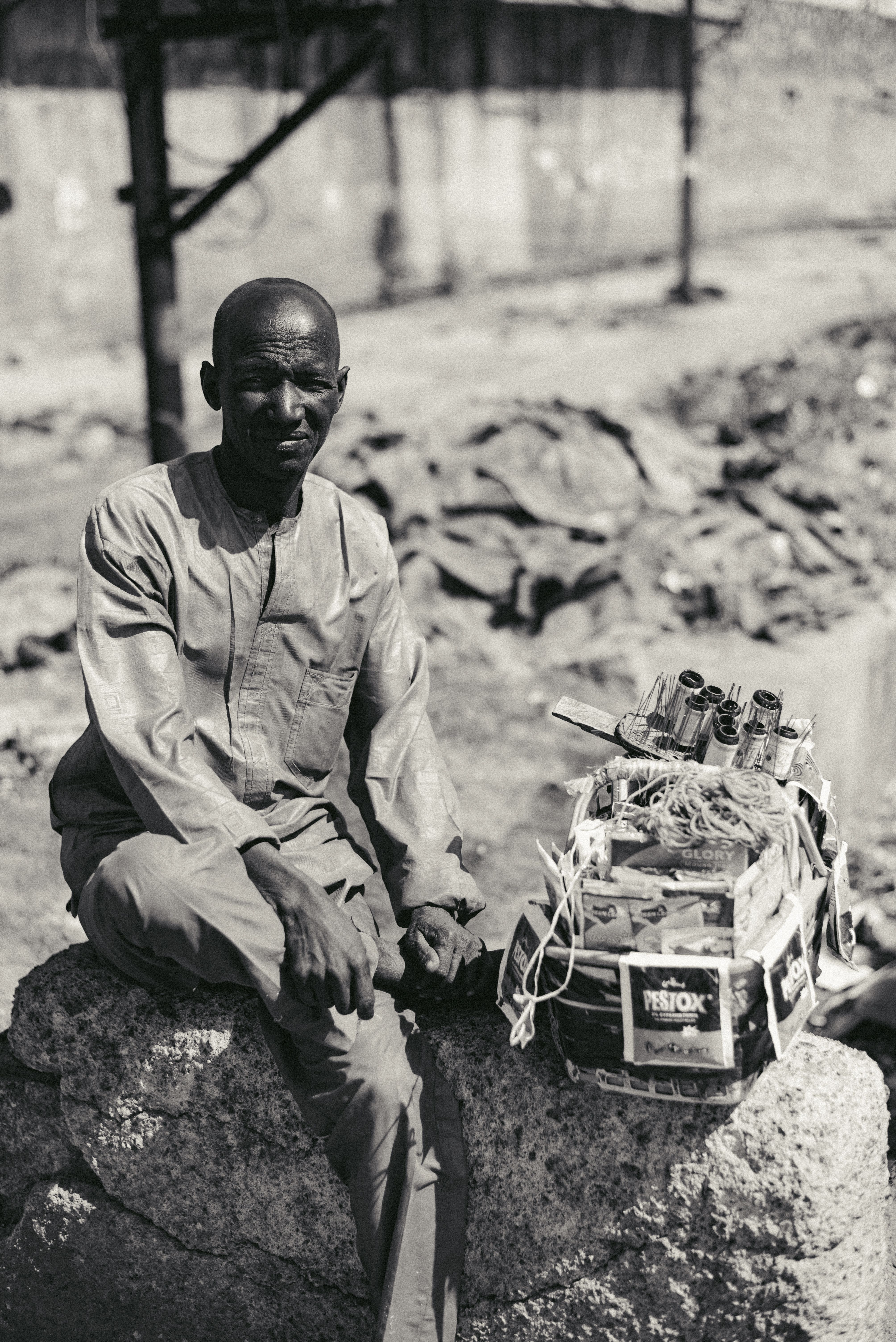
Photograph Jagaba Denis Earth and Afro-Brazilian
Somba tata towers in the north, and Afro-Brazilian merchant houses in Ouidah and Porto-Novo.
Where Vodun Comes From
What is kept, and who keeps it?
Not a folk survival — a living religion with millions of followers, and a public holiday.
Kingdoms that still hold court, festivals with a place and a season, practices that belong to particular communities rather than to a continent.

The Vodun Festival
10 January at Ouidah, on the beach, and it is a religious event before it is a spectacle.
The Route of the Slaves
What happened here, and what is left of it?
Four kilometres from Ouidah's auction square to the Door of No Return on the beach.
Sites, ruins and buildings, taken as evidence rather than as scenery. Where a date belongs to a claim the country file carries it; nothing here supplies one that it does not.

- The Royal Palaces of AbomeyHistoric Sites
Twelve palaces of the kings of Dahomey, in earth, with bas-reliefs telling the history.
- Earth and Afro-BrazilianArchitecture
Somba tata towers in the north, and Afro-Brazilian merchant houses in Ouidah and Porto-Novo.
Undated on purpose. Where a date belongs to one of these claims it is in the country file; this page does not supply one that is not.
Cotonou, Porto-Novo, Abomey
What is it like to live here this decade?
A port that never stops, a colonial capital, and the seat of a kingdom.
The part of a country that a safari catalogue leaves out: the cities, what is being built in them, what is open at night and what people do for a living.
Somba tata towers in the north, and Afro-Brazilian merchant houses in Ouidah and Porto-Novo.
ArchitectureLodges at Pendjari and on the coast at Grand-Popo, and good hotels in Cotonou.
Luxury TravelAfrica is not a museum. Nothing above is a ruin, a costume or an animal — it is where people in Benin live, build and work.
Pendjari
What lives here, and who is protecting it?
Lion, elephant, buffalo and cheetah in one of the last strongholds of the West African lion.
The animals are the easy half. The harder half is which habitat, whose land, and what a visitor's money actually does when it arrives.
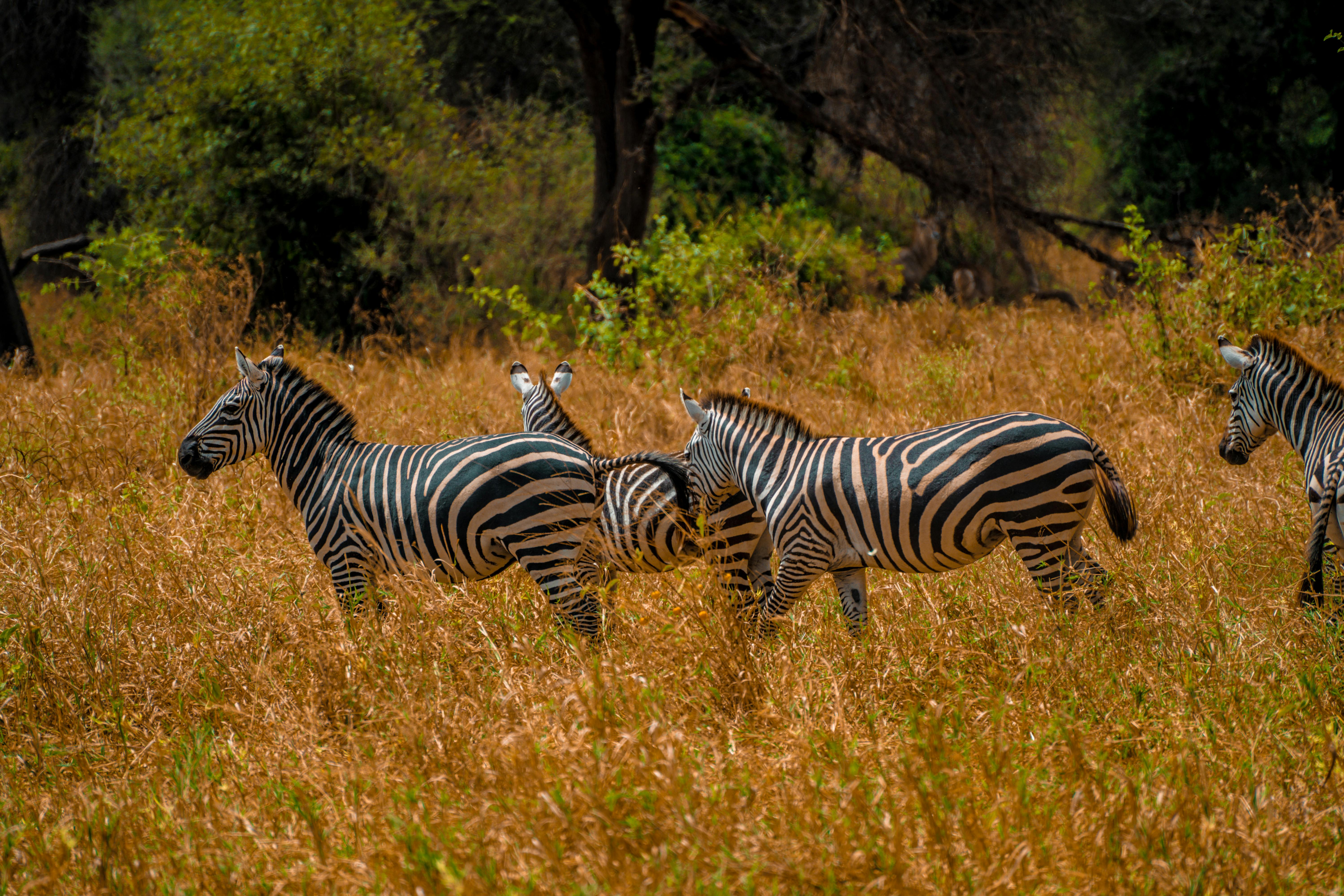
The W-Arly-Pendjari Complex
The largest intact ecosystem in West Africa, run across three countries.
The Sacred Forests
Kpasse at Ouidah and the groves around it, protected because they are vodun sites.
Pendjari, Community-Run
Managed since 2017 by African Parks with the villages around it, and the lion count is up.
The animals are the easy half. Which habitat, whose land, and what a visitor’s money does when it arrives is the rest of it, and Benin answers it in its own words above.
Pendjari and the Atakora
What is the shape of this country?
The Atakora hills in the northwest, and the Pendjari river running along the park.
A photo essay in landform order — high ground first, then what runs off it, then where it meets the sea.
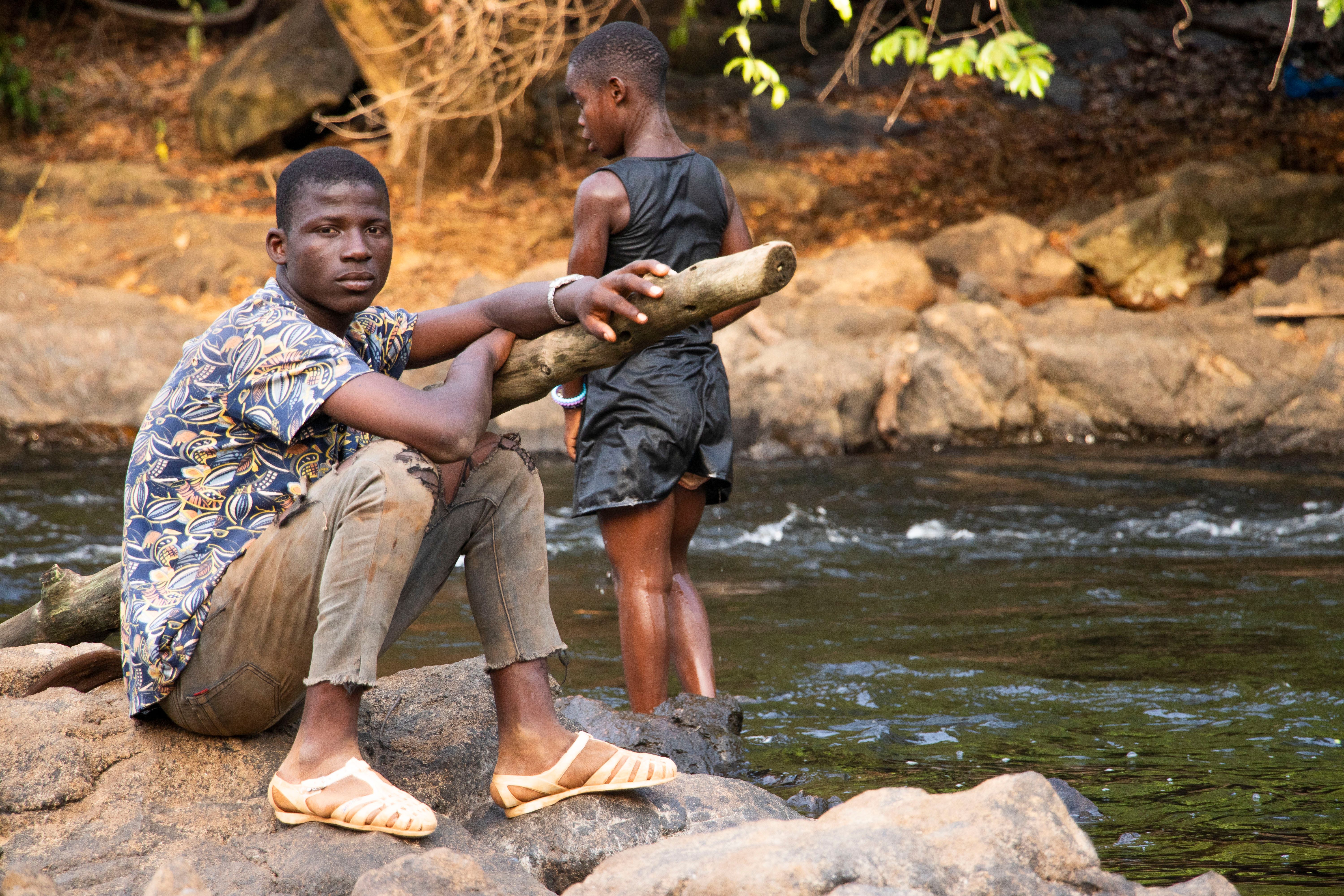
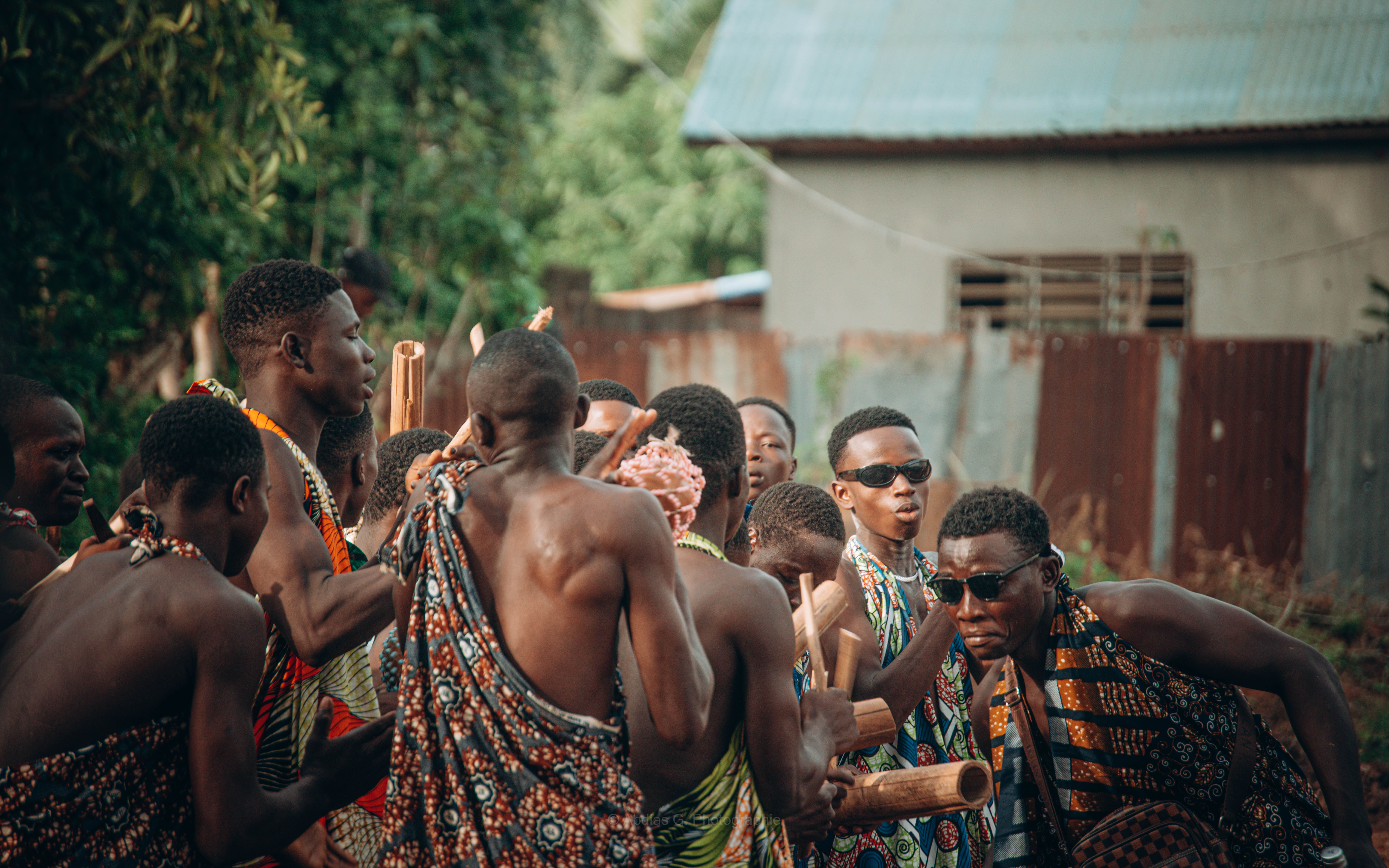

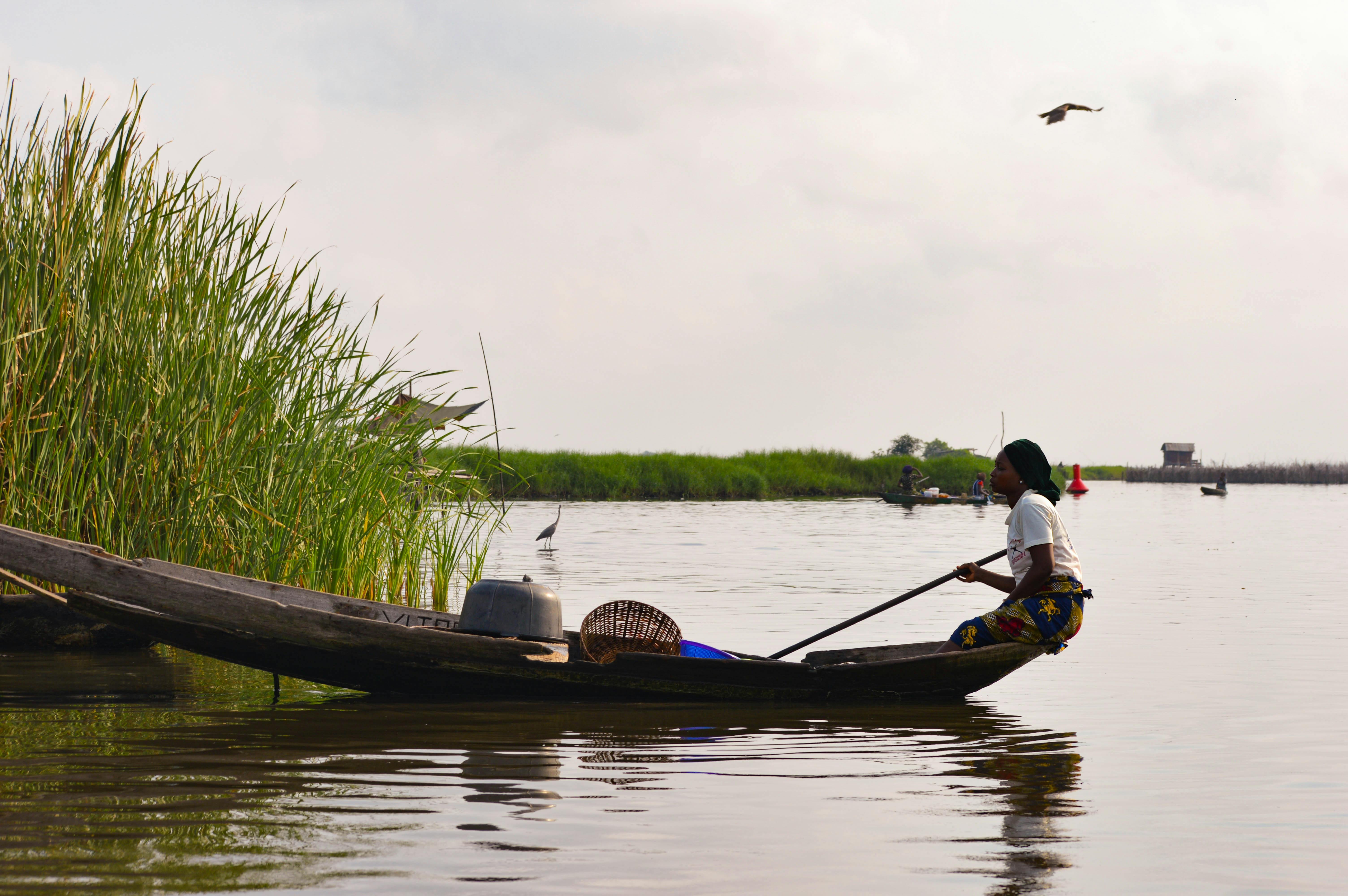
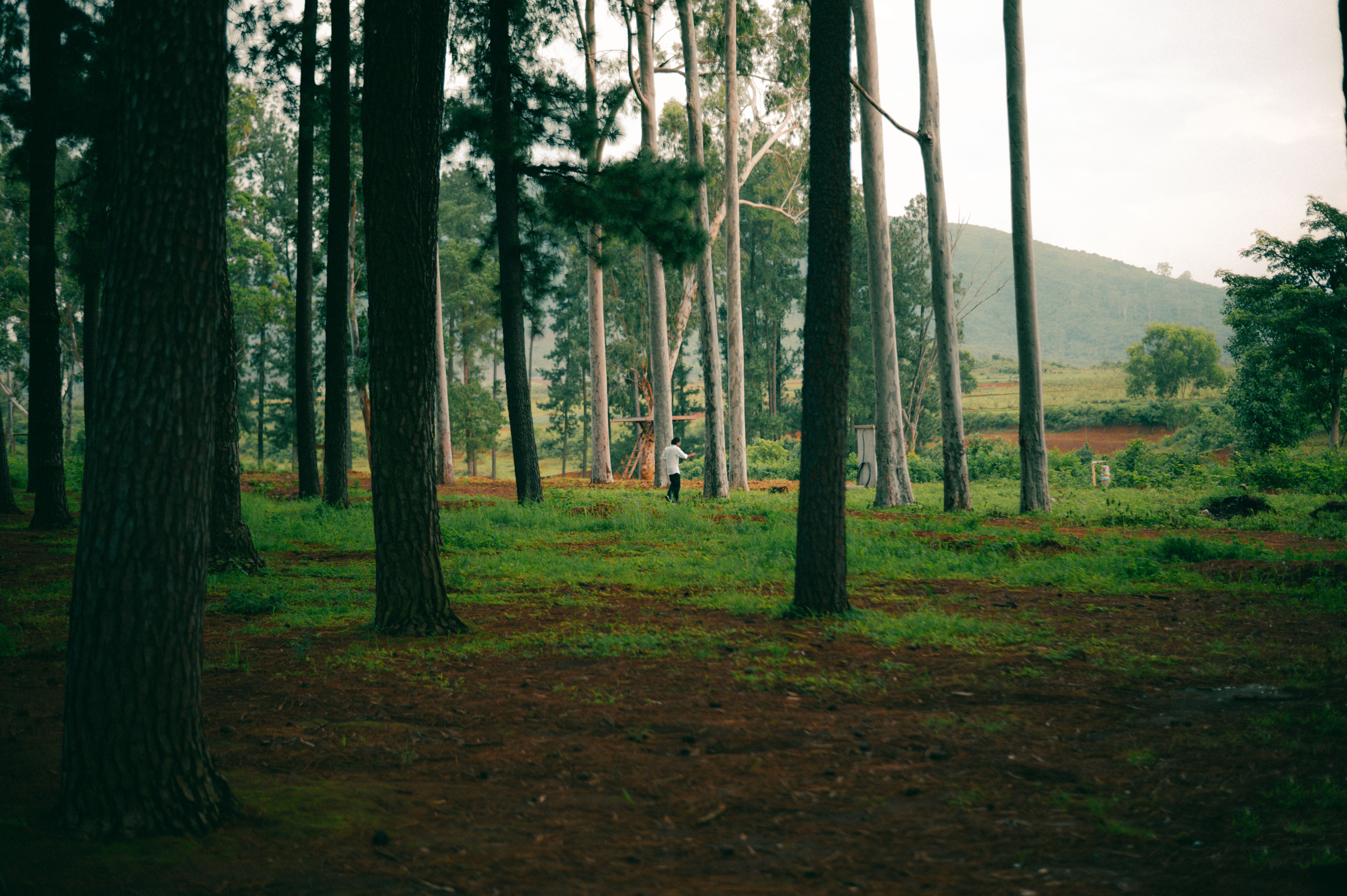
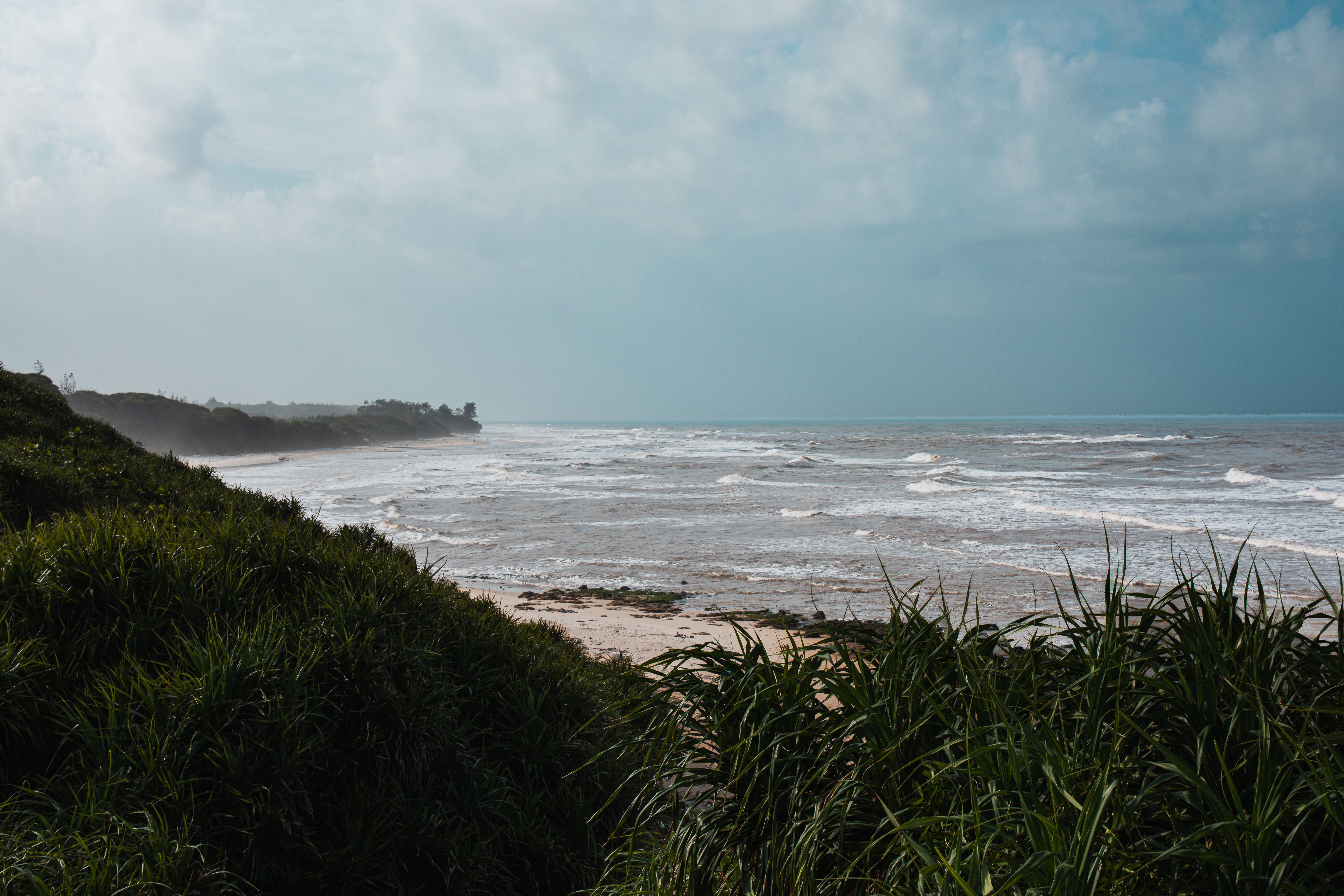

7 frames. Every one of them a different part of Benin, and each caption written for that one.
Possotome and Lake Aheme
What would you not have found on your own?
A quiet lake west of Ouidah with fishing villages and hot springs on its shore.
The two write-ups a country files under what most itineraries miss, and what you would have to walk to.
Pirogue and Pendjari — Poling through Ganvie in the morning, and a game drive in the north two days later.
Walking the Atakora — Somba villages, quartzite ridges and the Tanougou pool, on foot from Natitingou.
What is on the other side
Where does Benin actually stop?
Read off the boundary data rather than written: countries whose polygons share a vertex with this one share a land border with it. Distances are between country centres, in a straight line — not a drive, and not a flight.
- Togoshares a land border205 km in a straight line
Leads on culture, nature, coast.
- Nigershares a land border1143 km in a straight line
Leads on nature, wildlife, culture, adventure.
- Burkina Fasoshares a land border526 km in a straight line
Leads on culture, nature.
- Nigeriashares a land border592 km in a straight line
Leads on cities, culture, food.
- Cameroonno land border1219 km in a straight line
Leads on cities, nature, coast, culture, history, adventure, wildlife, food.
- Ghanano land border417 km in a straight line
Leads on cities, culture, history, coast, food.
Four questions, not four dates
A timeline would need dates, and the write-ups behind this page do not carry them. So this is the same country asked four things instead, in the order they tend to answer them.
What happened here
The Route of the SlavesFour kilometres from Ouidah's auction square to the Door of No Return on the beach.The Royal Palaces of AbomeyTwelve palaces of the kings of Dahomey, in earth, with bas-reliefs telling the history.What is kept
Where Vodun Comes FromNot a folk survival — a living religion with millions of followers, and a public holiday.The Vodun Festival10 January at Ouidah, on the beach, and it is a religious event before it is a spectacle.Fon, Yoruba, Bariba, SombaThe Fon of Dahomey in the south, the Somba in the Atakora with their fortified houses.The months this country is good in
These are the months Benin is written up as good in — a coarser and more honest thing than a forecast, and not one. We do not predict the weather; we say when this country is at its best.
- Jangood
- Febgood
- Mar—
- Apr—
- May—
- Jun—
- Jul—
- Aug—
- Sep—
- Oct—
- Novgood
- Decgood
November to February, the main dry season. The Vodun festival is on 10 January.
How to be here
The one thing on this page that is a position rather than a fact. It is not any country’s rule and no community here was asked to write it — it is what Afrinkong asks of the people it sends, and the reasons are the part worth carrying.
With a camera
Ask before you photograph a person A face is not scenery, and 'they did not seem to mind' is not the same as being asked — if you would not want the picture taken of you at work, do not take it.
If a photograph is worth money, pay it Somebody who poses for a living is working; somebody who does not should not be turned into a subject because a lens arrived.
Some places are not for cameras Shrines, funerals, initiations and some interiors are closed to photography by the people who use them, and a guide will tell you which if you ask before rather than after.
Children are not content Ask the adult responsible for them, the way you would at home, and accept no as an answer the first time.
With people
Go with somebody from here The three operators on this site are companies registered in the countries they work in, and everywhere else the drivers, hosts and coordinators are hired where the journey runs — which is the difference between money that lands and money that passes through. Asking who is running a day is a fair question to put to whoever sells it to you, here or anywhere.
Learn the greeting Two words in the language of the place you are standing in changes the whole shape of a conversation, and getting it slightly wrong is not the insult you are afraid of.
Ask what a thing is A festival, a garment or a building usually means something specific to a specific community, and the interesting answer is never the one you brought with you.
With the place
Keep the distance you are given The distances on a gorilla trek or at a nest are set by the animals' tolerance and, in the case of primates, by what they can catch from you.
Do not feed anything An animal that associates people with food stops being wild and starts being a problem to be dealt with, usually permanently.
Carry out what you carried in Most of the places on this site sit outside any collection route, which means what you leave stays exactly where you left it.
With money
Buy from the maker The craft write-ups on this site name workshops and markets; a piece bought where it was made pays the person who made it rather than three people who did not.
Haggle to a fair price, not to a win The last few units of currency are worth more to the seller than to you, and a bargain that felt like a victory usually was not one.
Who is telling you this
- The writing
- Afrinkong editorial. Every headline and paragraph on this page is written once, in the same country file the rest of the site is built from, and printed here unchanged. There is no second copy that could drift from it.
- What it is not
- Not sourced reporting. These are summaries written for a travel site, not claims with citations behind them, and they should be read as the former. Where a fact matters to your plans, check it against the country.
- The photographs
- 25 of the 26 slots on this page have a photograph. Every photograph carries its photographer’s name. Nothing here is an AI image dressed as a photograph; where there is no picture, the shape of Benin is drawn instead and says so.
- The geography
- Borders and distances come from Natural Earth boundary data, not from the prose. Distances are straight lines between country centres. This site holds no road, no timetable and no travel time, and prints none.
- The company
- The ground journey in Benin is run by Afrinkong. Nothing on this page is written by an operator either way.
- The reading
- 10 chapters, cut from the 26 write-ups this country has. The cut is editorial; the words are not.