 Afrinkong
Vilakazi Street, the shisa nyama grills, and a township of a million people that runs at its own pace.
Local Life
A portrait · Southern Africa
South Africa
A world in one country
Table Mountain over Cape Town, Big Five in the Kruger lowveld, the Drakensberg escarpment, two oceans meeting, and eleven official languages.
The outline of South Africa. No photograph is inside it yet.
Two Weeks, Four Countries' Worth
What does this country open with?
The shortest story on the site: a country's own opening line, and its reason to be visited at all.
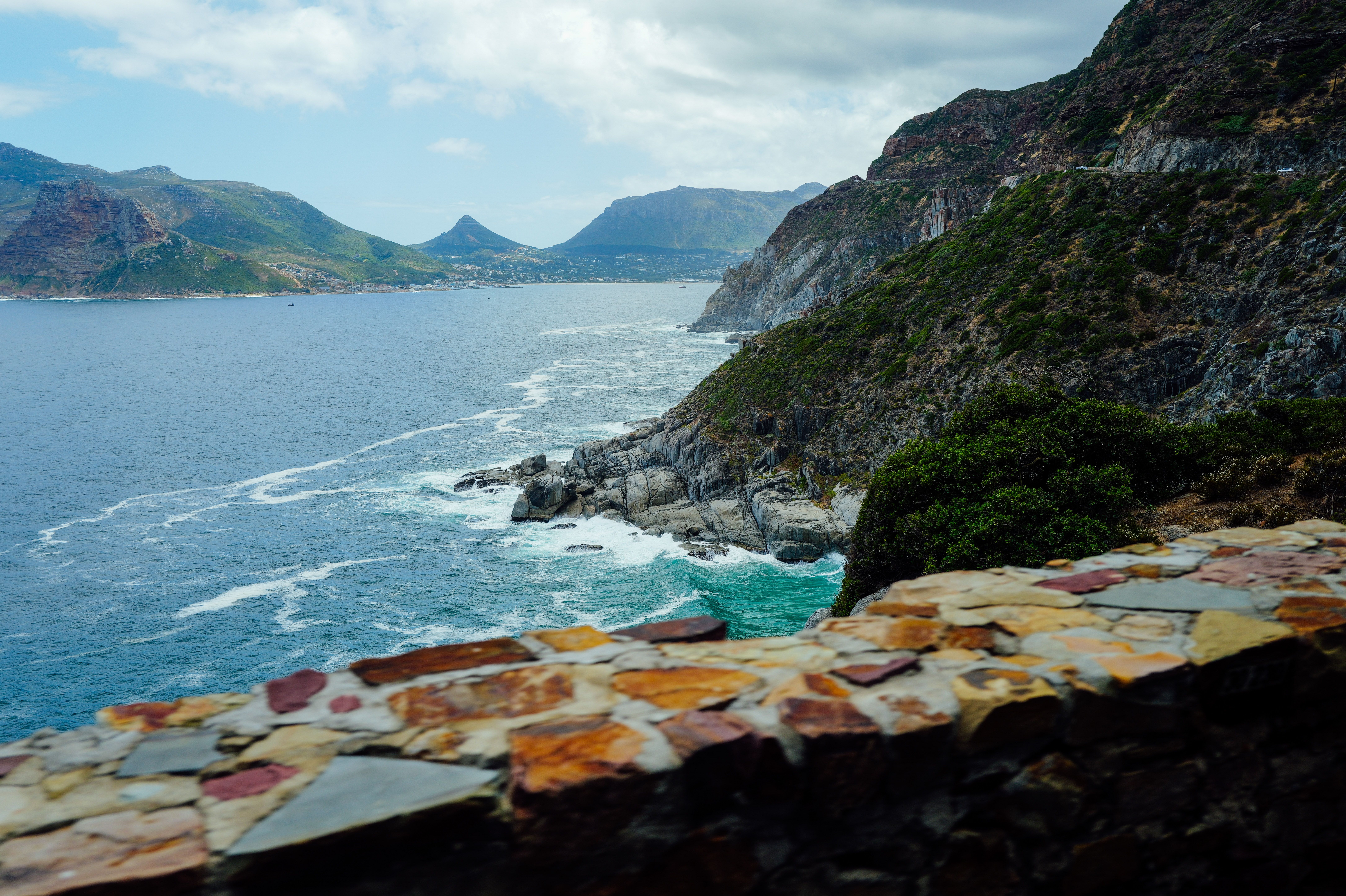
Chapman's Peak Drive — Nine kilometres cut into the cliff between Hout Bay and Noordhoek, and every turnout is a photograph.
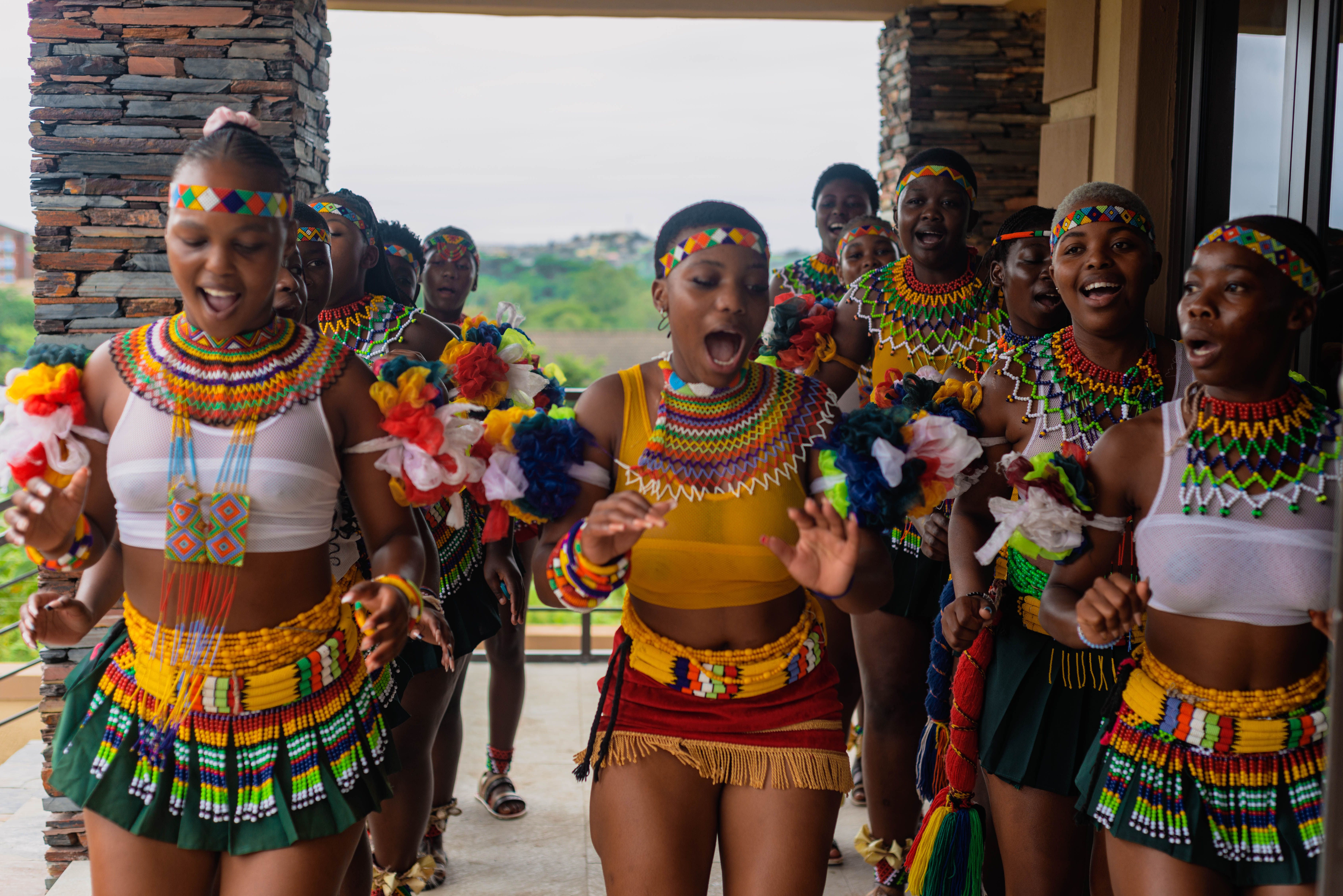
Zulu, Xhosa, Ndebele
Who lives here, and who is speaking?
Africa is not one people. Roughly two thousand languages, and the answer changes at every border and usually inside one, so this arc names particular communities or it says nothing.

Township Tourism, Done Right
Guided by residents, spending in the neighbourhood, and honest about what apartheid planning actually built.
Soweto, Sunday
Vilakazi Street, the shisa nyama grills, and a township of a million people that runs at its own pace.
Local voice
Nobody from South Africa has been quoted on this page, so nobody is. This slot takes one sentence from one named person who agreed to it — a guide, a cook, a maker, a ranger — and until there is one it stays as it is rather than borrowing something plausible.
Braai, Bunny Chow, Curry
What is eaten here?
Not a list of dishes. What is grown, what is sold in the market, what is cooked at home and what is only cooked for a festival.
- 1

Photograph Sheila C Soweto, Sunday
Vilakazi Street, the shisa nyama grills, and a township of a million people that runs at its own pace.
- 2

Photograph Stephan Louis Carnival and AfrikaBurn
The Cape Town Carnival in March, the Kaapse Klopse minstrels in January, and AfrikaBurn out in the Karoo.
Ndebele Beadwork
What is made here, and who makes it?
Craft is a working economy before it is a souvenir. Where the dataset names a material, a technique or a town, this prints it; where it does not, this arc stops rather than filling in.
- 1

Photograph Ndumiso Zimu Bo-Kaap and Cape Dutch
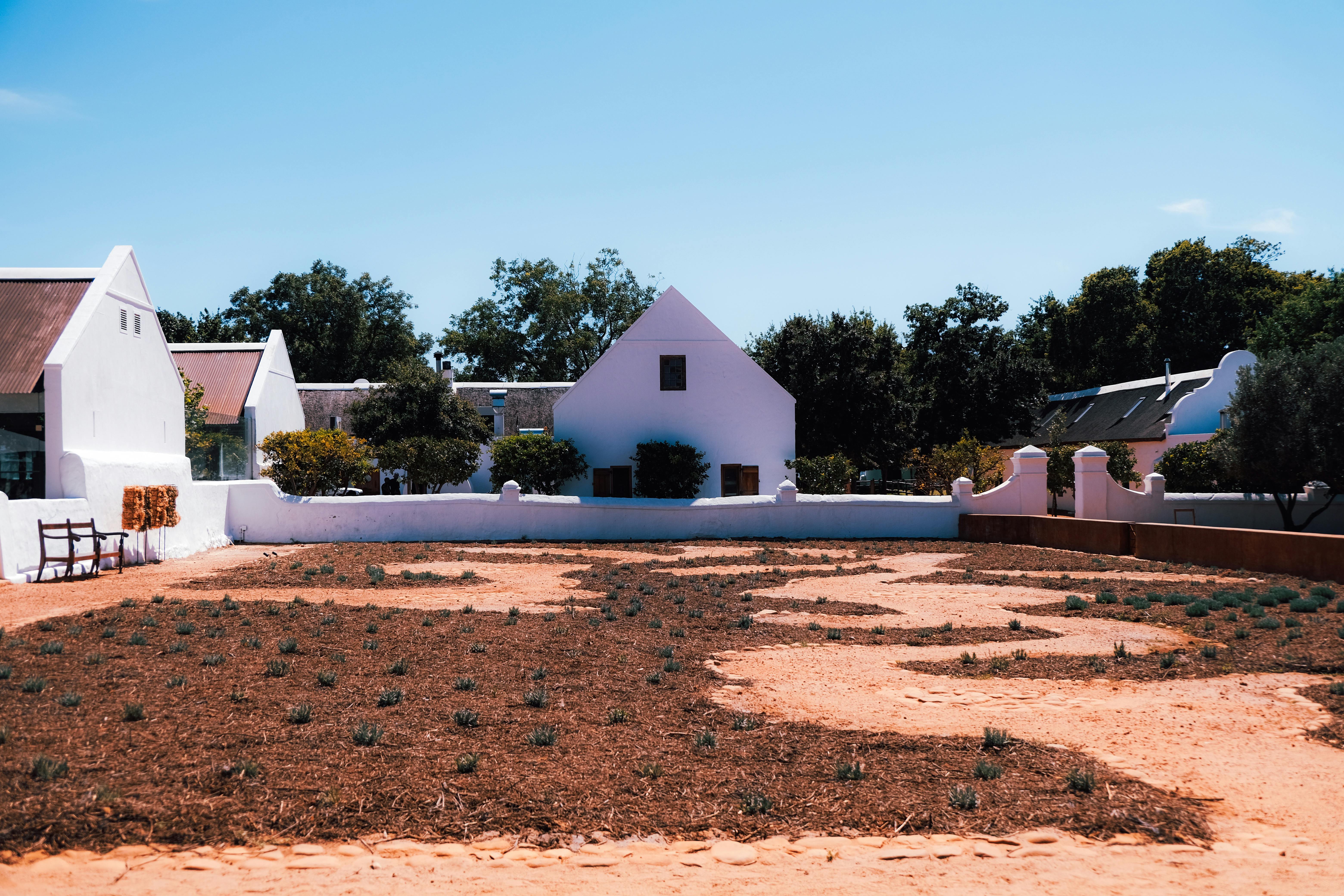
Painted Bo-Kaap terraces on the slope of Signal Hill, and gabled Cape Dutch homesteads out in the winelands.
Eleven Languages
What is kept, and who keeps it?
Zulu, Xhosa, Afrikaans and eight more, plus the Cape Malay cooking that came with the slave trade.
Kingdoms that still hold court, festivals with a place and a season, practices that belong to particular communities rather than to a continent.

Carnival and AfrikaBurn
The Cape Town Carnival in March, the Kaapse Klopse minstrels in January, and AfrikaBurn out in the Karoo.
The Cradle of Humankind
What happened here, and what is left of it?
The Sterkfontein caves have produced more early hominin fossils than any other site on the planet.
Sites, ruins and buildings, taken as evidence rather than as scenery. Where a date belongs to a claim the country file carries it; nothing here supplies one that it does not.
- Robben IslandHistoric Sites
Twelve kilometres off Cape Town, a political prison for three decades, now guided by the men who were held there.
- Bo-Kaap and Cape DutchArchitecture
Painted Bo-Kaap terraces on the slope of Signal Hill, and gabled Cape Dutch homesteads out in the winelands.
Undated on purpose. Where a date belongs to one of these claims it is in the country file; this page does not supply one that is not.
Cape Town and Johannesburg
What is it like to live here this decade?
The part of a country that a safari catalogue leaves out: the cities, what is being built in them, what is open at night and what people do for a living.
Painted Bo-Kaap terraces on the slope of Signal Hill, and gabled Cape Dutch homesteads out in the winelands.
ArchitectureFranschhoek and Stellenbosch: Cape Dutch estates, serious kitchens, and a wine tram that means nobody drives.
Luxury TravelAfrica is not a museum. Nothing above is a ruin, a costume or an animal — it is where people in South Africa live, build and work.
The Big Five, Close
What lives here, and who is protecting it?
The animals are the easy half. The harder half is which habitat, whose land, and what a visitor's money actually does when it arrives.
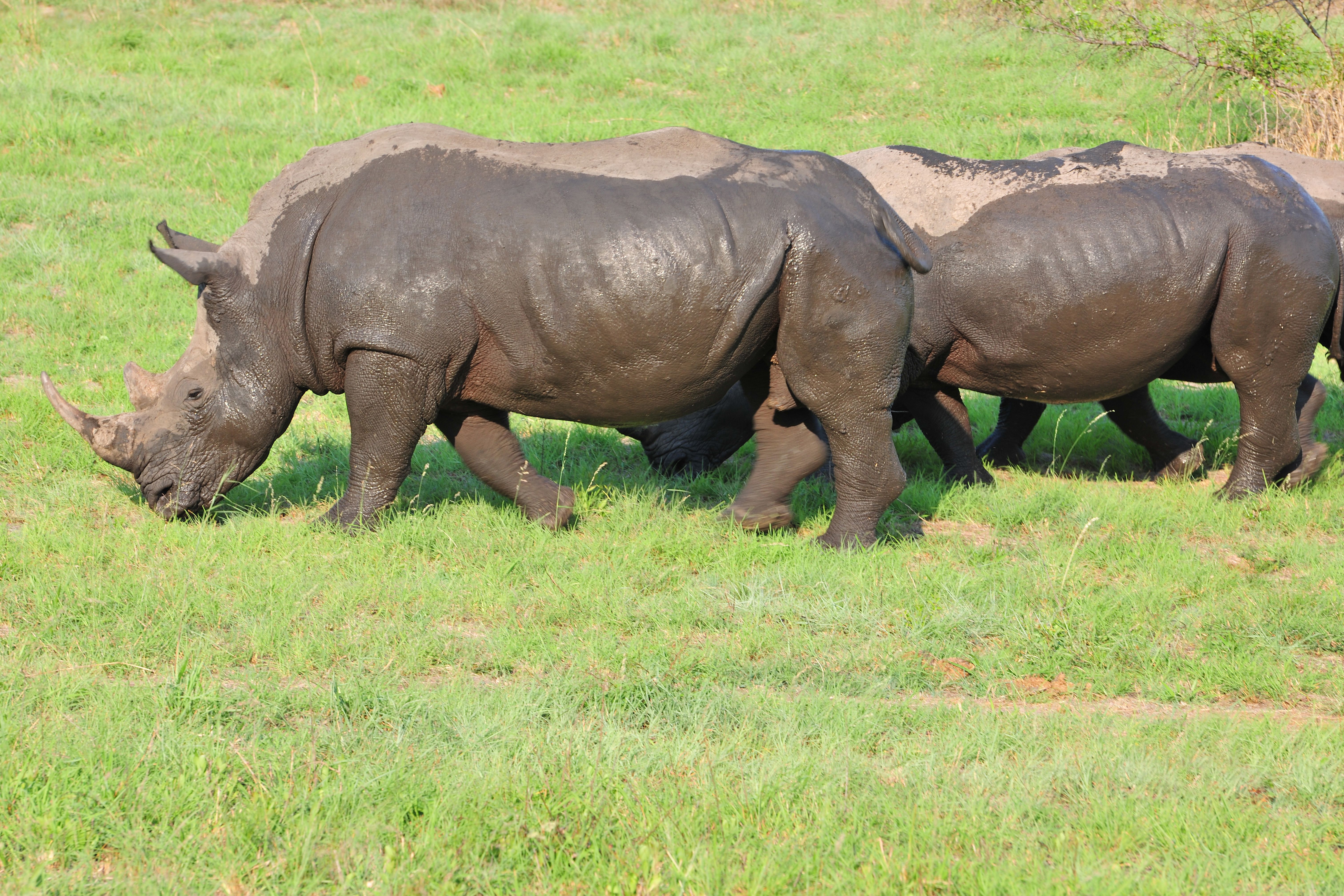
Sabi Sands, Off-Road
Private traverse means the vehicle can leave the road, which is why the sightings are what they are.
Tsitsikamma
Old yellowwood forest running down to a rocky coast, with the Storms River mouth cut through the middle.
Marine and Rhino Work
Whale watching at Hermanus, penguins at Boulders, and rhino monitoring in the reserves that fund it.
The animals are the easy half. Which habitat, whose land, and what a visitor’s money does when it arrives is the rest of it, and South Africa answers it in its own words above.
Fynbos and the Garden Route
What is the shape of this country?
A photo essay in landform order — high ground first, then what runs off it, then where it meets the sea.


7 frames. Every one of them a different part of South Africa, and each caption written for that one.
The Wild Coast and Karoo
What would you not have found on your own?
The two write-ups a country files under what most itineraries miss, and what you would have to walk to.
Bloukrans and the Cage — The highest commercial bridge bungee in the world, and great white cage diving out of Gansbaai.
Lion's Head at Dawn — Ninety minutes up a spiral path with chains near the top, for the whole peninsula at sunrise.
What is on the other side
Where does South Africa actually stop?
Read off the boundary data rather than written: countries whose polygons share a vertex with this one share a land border with it. Distances are between country centres, in a straight line — not a drive, and not a flight.
- Mozambiqueshares a land border1651 km in a straight line
Leads on cities, coast, wildlife.
- Namibiashares a land border940 km in a straight line
Leads on wildlife, history, adventure.
- Zimbabweshares a land border1138 km in a straight line
Leads on wildlife, history, adventure.
- Cameroonno land border4014 km in a straight line
Leads on cities, nature, coast, culture, history, adventure, wildlife, food.
- Botswanashares a land border627 km in a straight line
Leads on wildlife, culture.
- Eswatinishares a land border729 km in a straight line
Leads on wildlife, culture, nature, adventure.
Four questions, not four dates
A timeline would need dates, and the write-ups behind this page do not carry them. So this is the same country asked four things instead, in the order they tend to answer them.
What happened here
The Cradle of HumankindThe Sterkfontein caves have produced more early hominin fossils than any other site on the planet.Robben IslandTwelve kilometres off Cape Town, a political prison for three decades, now guided by the men who were held there.What is kept
Eleven LanguagesZulu, Xhosa, Afrikaans and eight more, plus the Cape Malay cooking that came with the slave trade.Carnival and AfrikaBurnThe Cape Town Carnival in March, the Kaapse Klopse minstrels in January, and AfrikaBurn out in the Karoo.Zulu, Xhosa, NdebeleNdebele wall painting, Zulu beadwork with its own grammar, and Xhosa initiation still practised in the Eastern Cape.The months this country is good in
These are the months South Africa is written up as good in — a coarser and more honest thing than a forecast, and not one. We do not predict the weather; we say when this country is at its best.
- Jangood
- Febgood
- Margood
- Aprgood
- Maygood
- Jungood
- Julgood
- Auggood
- Sepgood
- Octgood
- Novgood
- Decgood
Year-round, but the Cape is a summer place and Kruger a winter one.
How to be here
The one thing on this page that is a position rather than a fact. It is not any country’s rule and no community here was asked to write it — it is what Afrinkong asks of the people it sends, and the reasons are the part worth carrying.
With a camera
Ask before you photograph a person A face is not scenery, and 'they did not seem to mind' is not the same as being asked — if you would not want the picture taken of you at work, do not take it.
If a photograph is worth money, pay it Somebody who poses for a living is working; somebody who does not should not be turned into a subject because a lens arrived.
Some places are not for cameras Shrines, funerals, initiations and some interiors are closed to photography by the people who use them, and a guide will tell you which if you ask before rather than after.
Children are not content Ask the adult responsible for them, the way you would at home, and accept no as an answer the first time.
With people
Go with somebody from here The three operators on this site are companies registered in the countries they work in, and everywhere else the drivers, hosts and coordinators are hired where the journey runs — which is the difference between money that lands and money that passes through. Asking who is running a day is a fair question to put to whoever sells it to you, here or anywhere.
Learn the greeting Two words in the language of the place you are standing in changes the whole shape of a conversation, and getting it slightly wrong is not the insult you are afraid of.
Ask what a thing is A festival, a garment or a building usually means something specific to a specific community, and the interesting answer is never the one you brought with you.
With the place
Keep the distance you are given The distances on a gorilla trek or at a nest are set by the animals' tolerance and, in the case of primates, by what they can catch from you.
Do not feed anything An animal that associates people with food stops being wild and starts being a problem to be dealt with, usually permanently.
Carry out what you carried in Most of the places on this site sit outside any collection route, which means what you leave stays exactly where you left it.
With money
Buy from the maker The craft write-ups on this site name workshops and markets; a piece bought where it was made pays the person who made it rather than three people who did not.
Haggle to a fair price, not to a win The last few units of currency are worth more to the seller than to you, and a bargain that felt like a victory usually was not one.
Who is telling you this
- The writing
- Afrinkong editorial. Every headline and paragraph on this page is written once, in the same country file the rest of the site is built from, and printed here unchanged. There is no second copy that could drift from it.
- What it is not
- Not sourced reporting. These are summaries written for a travel site, not claims with citations behind them, and they should be read as the former. Where a fact matters to your plans, check it against the country.
- The photographs
- 26 of the 26 slots on this page have a photograph. Every photograph carries its photographer’s name. Nothing here is an AI image dressed as a photograph; where there is no picture, the shape of South Africa is drawn instead and says so.
- The geography
- Borders and distances come from Natural Earth boundary data, not from the prose. Distances are straight lines between country centres. This site holds no road, no timetable and no travel time, and prints none.
- The company
- The ground journey in South Africa is run by Afrinkong. Nothing on this page is written by an operator either way.
- The reading
- 10 chapters, cut from the 26 write-ups this country has. The cut is editorial; the words are not.